

- 5
- 23
- 1
- 1
- 1
- 1
- 42
- 11
- 0
- 2
- 2
- 1
- 1
- 2
- 3
- 16
- 2
- 2
- 5
- 96
- 6
- 1
- 1
- 1
- 1
- 2
- 1
- 5
- 1
- 1
- 21
- 1
- 3
- 1
- 2
- 1
- 2
- 100
- 2
- 54
- 6
- 1
- 155
- 5
- 29
- 1
- 30
- 5
- 4
- 0
- 2
- 2
- 2
- 4
- 0
- 1
- 5
- 6
- 11
- 15
- 23
- 90
- 3
- 14
- 22
- 17
- 4
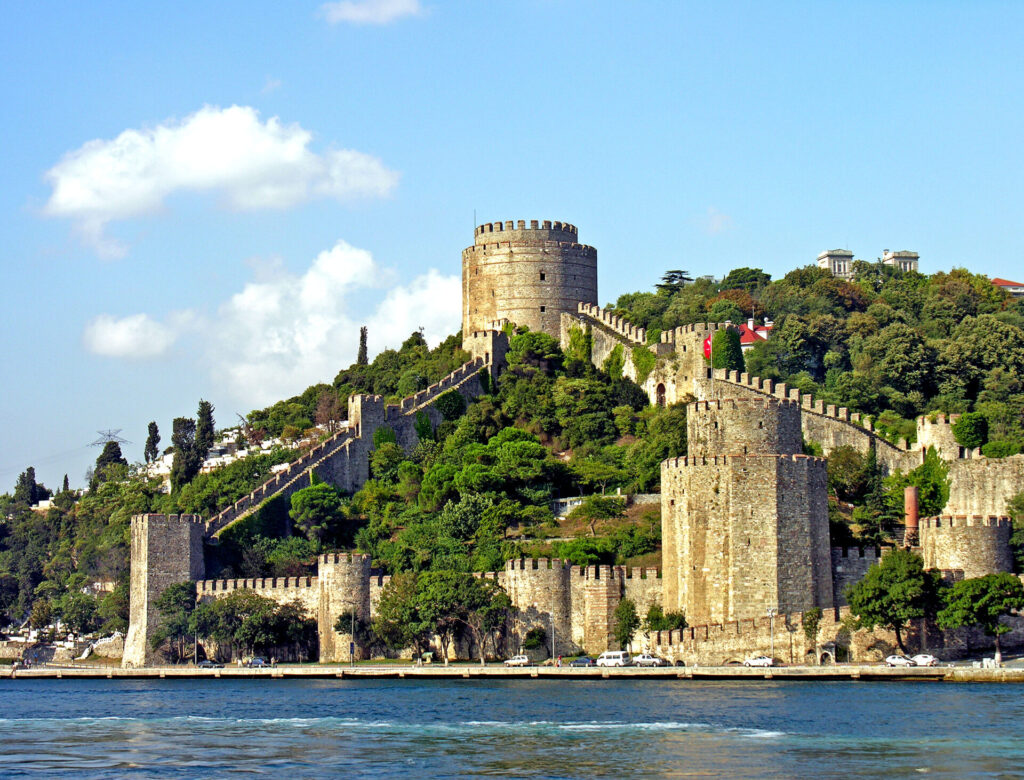
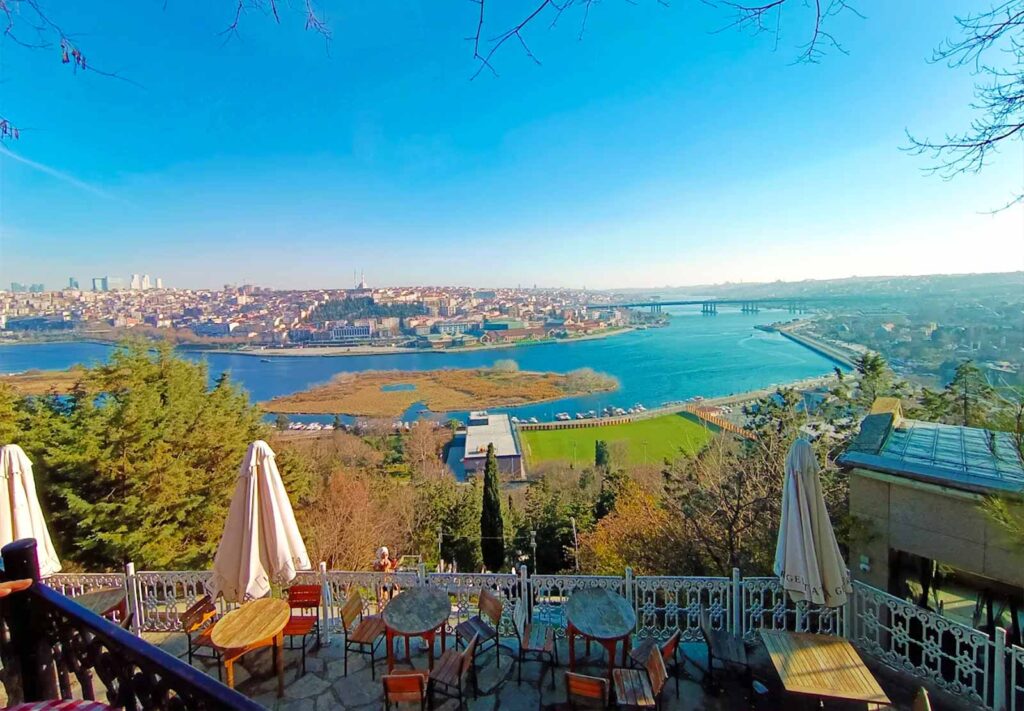
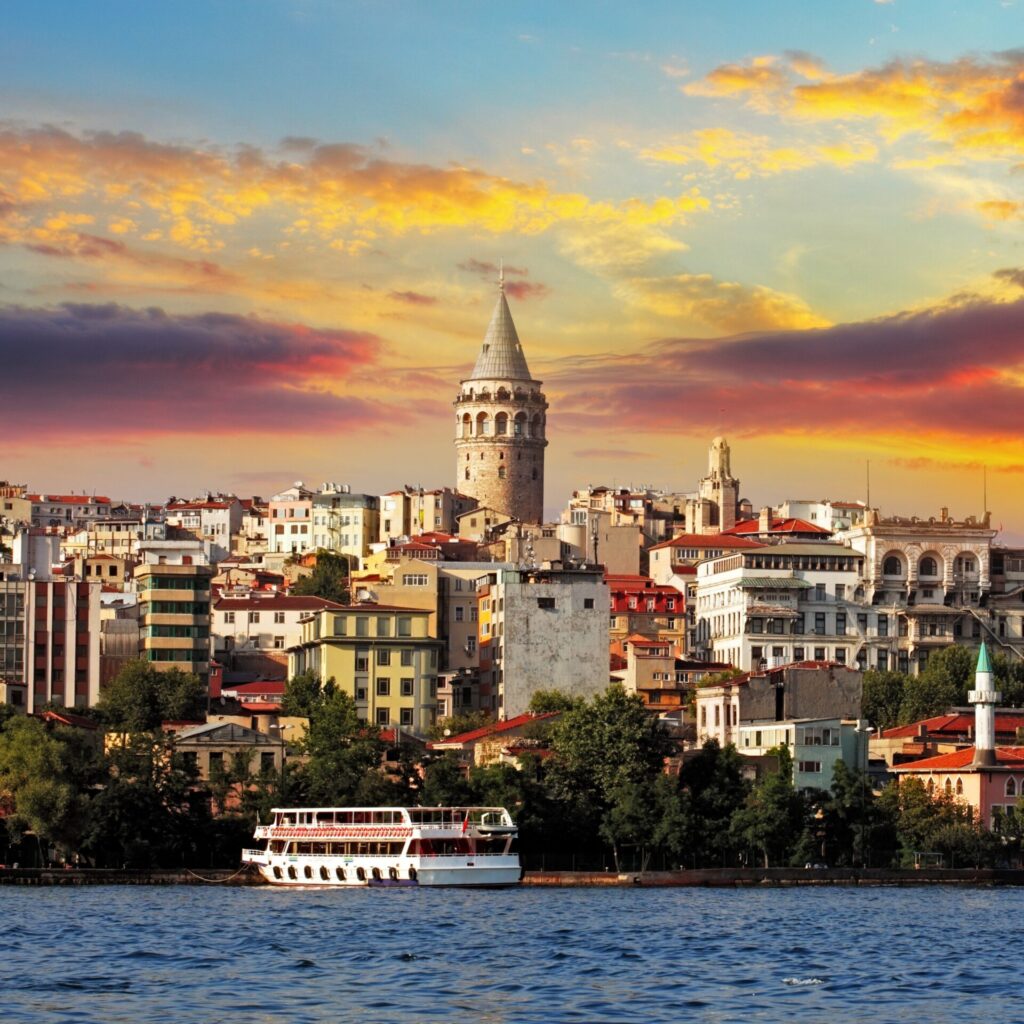
Istanbul is Turkey’s largest city and its cultural, historical, and economic heart. Straddling two continents — Europe and Asia — it’s one of the most iconic cities in the world, with a past that includes the Roman, Byzantine, and Ottoman empires.
What it’s known for:
Historical landmarks:
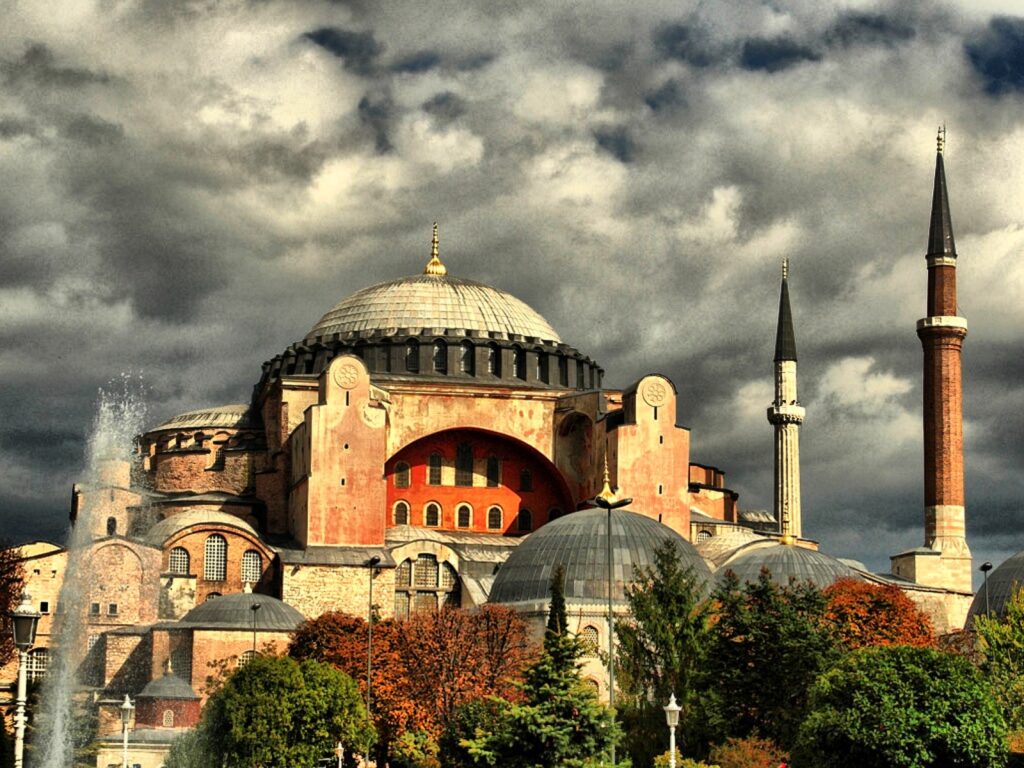
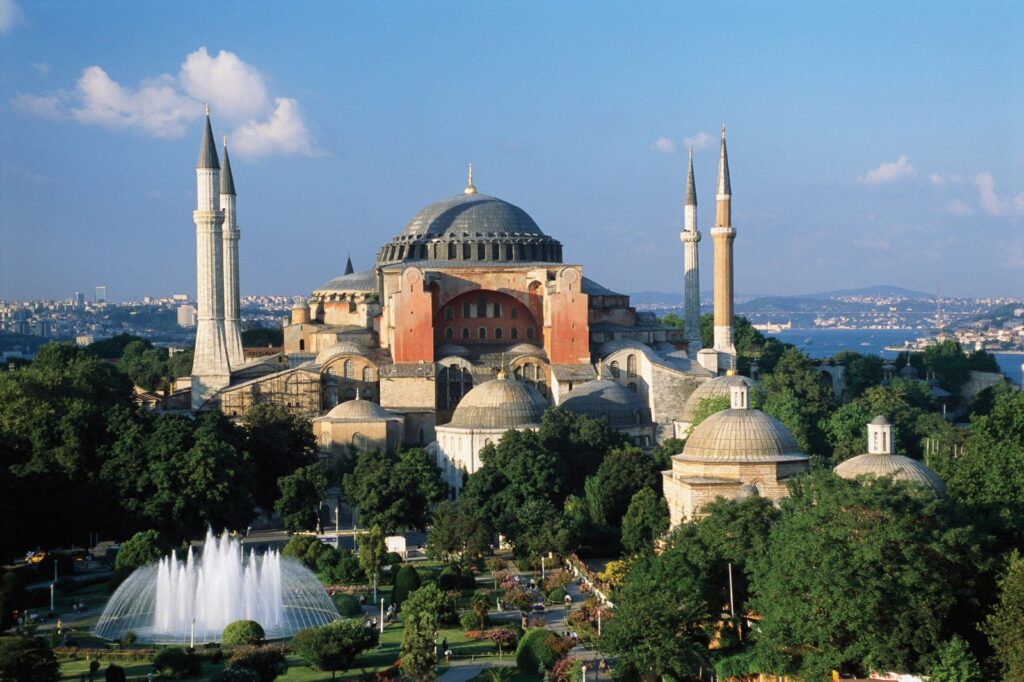
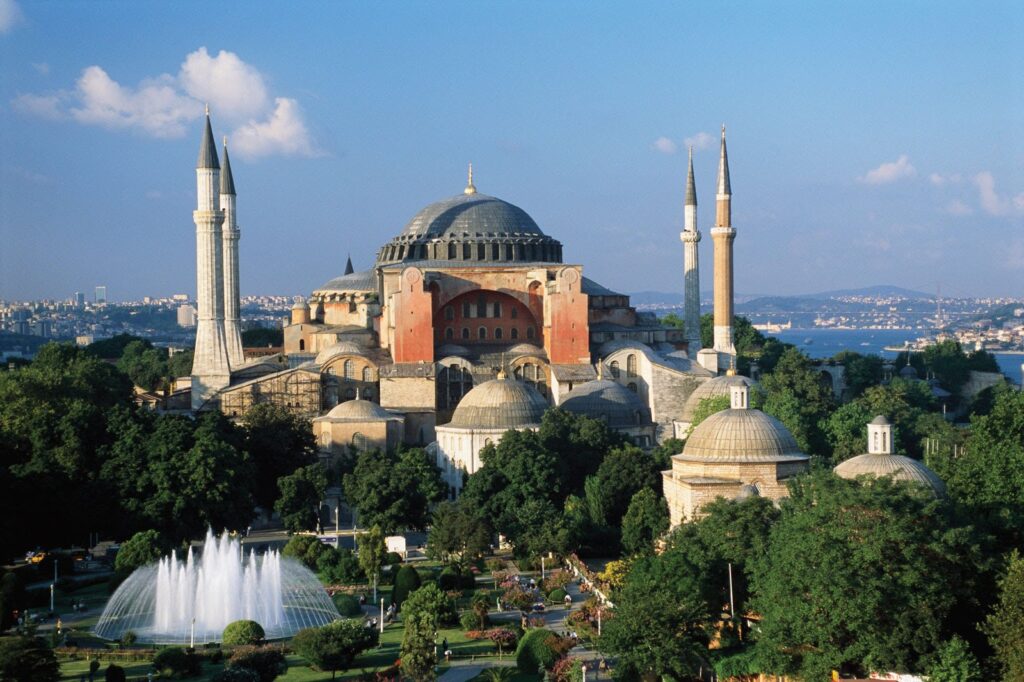
Hagia Sophia: Originally a Byzantine cathedral, later a mosque, then a museum, now a mosque again. A masterpiece of architecture and history.
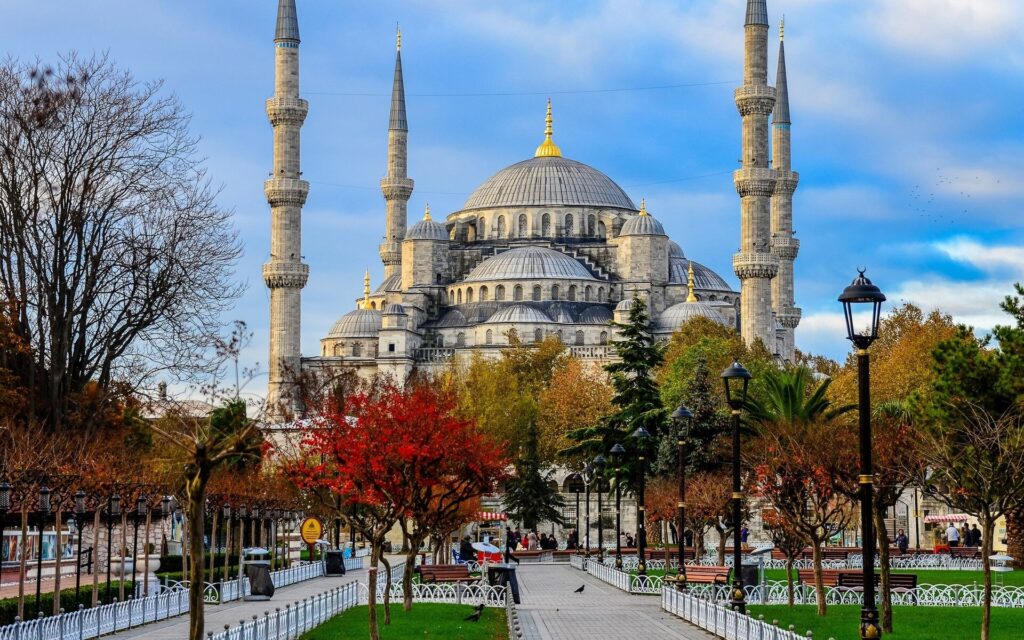
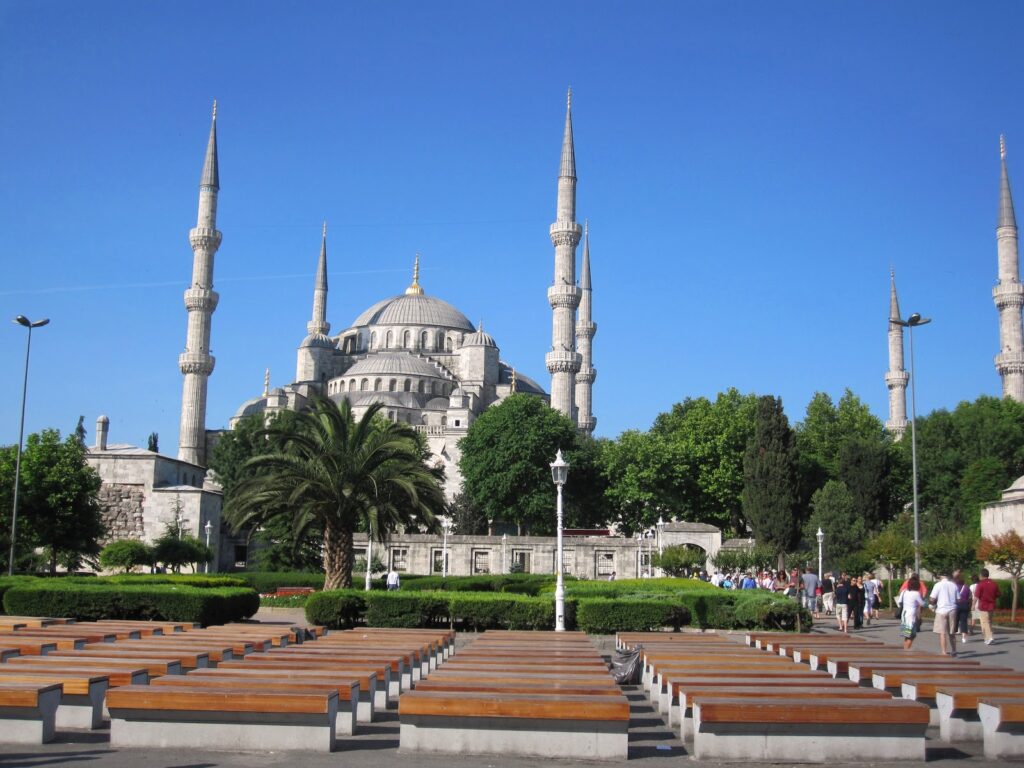
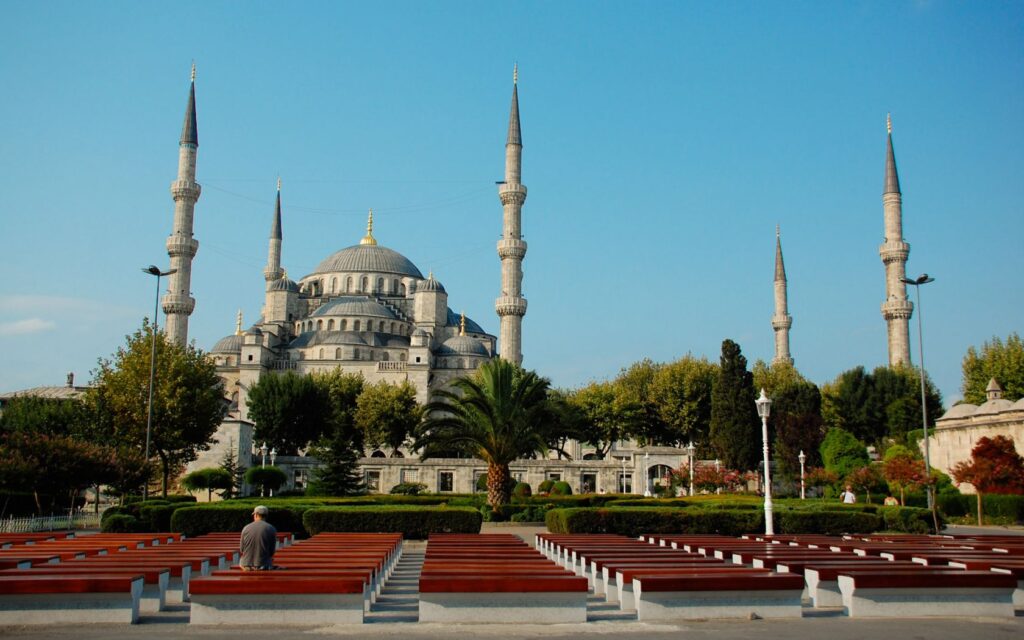
Blue Mosque (Sultan Ahmed Mosque): Known for its blue İznik tiles and six minarets.
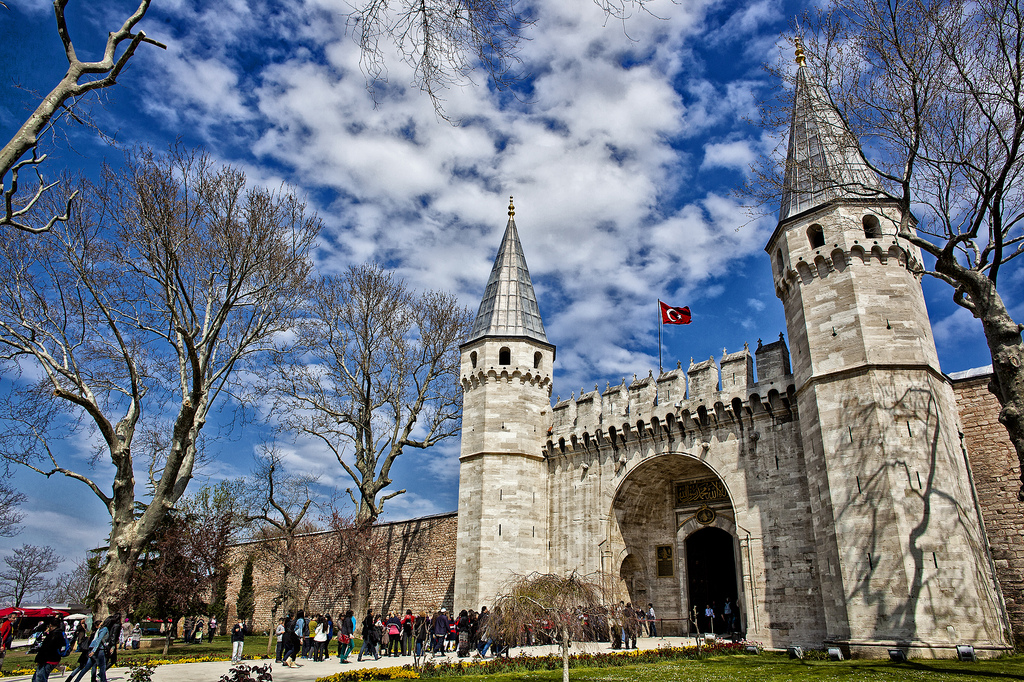
Topkapi Palace: Former Ottoman sultans’ palace with sprawling courtyards, royal chambers, and relics.
Basilica Cistern: An eerie, atmospheric underground water reservoir with ancient columns and Medusa heads.
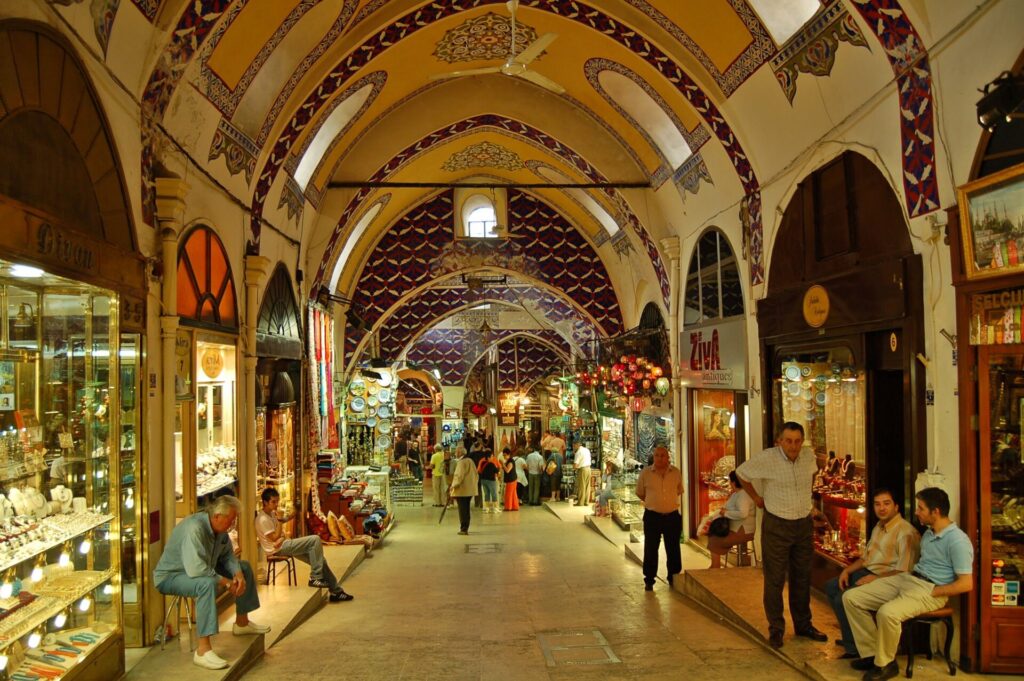
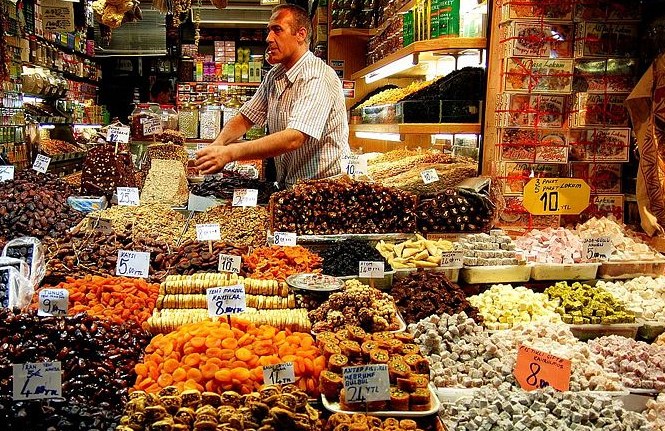
Grand Bazaar and Spice Bazaar: Massive, chaotic markets with everything from carpets to gold to spices.
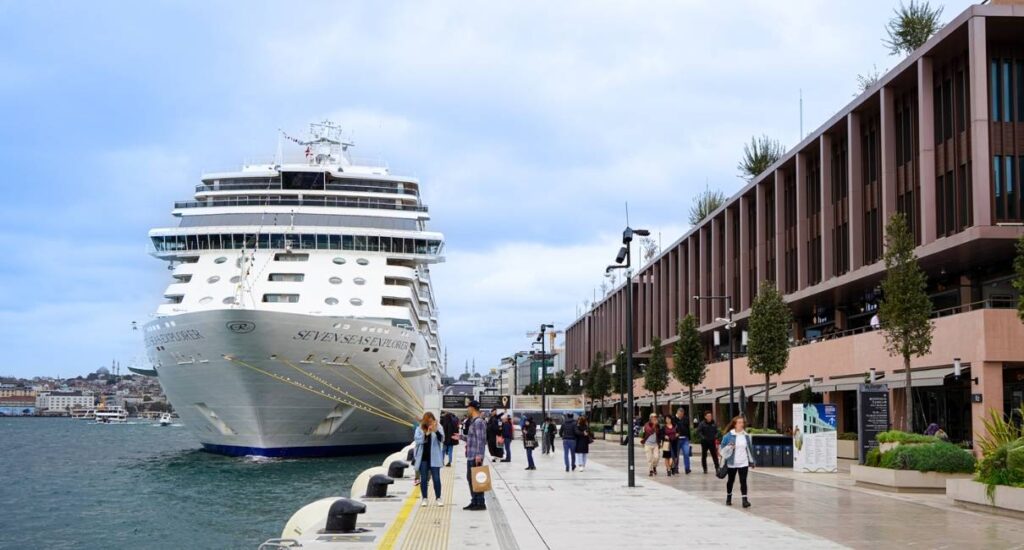
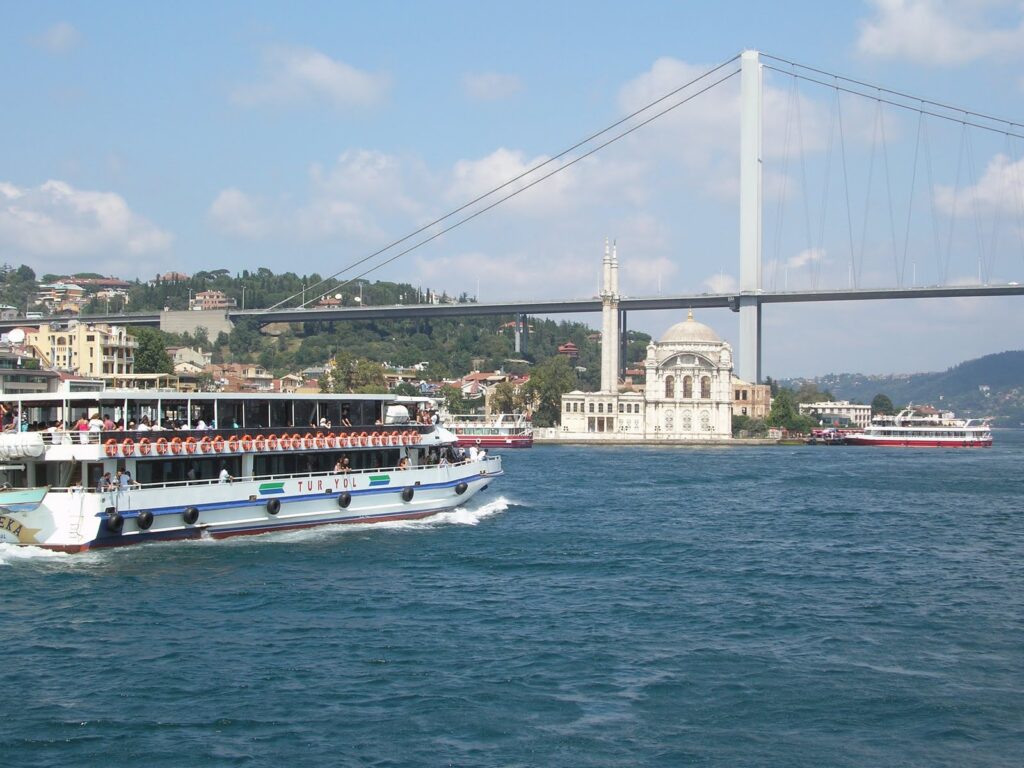
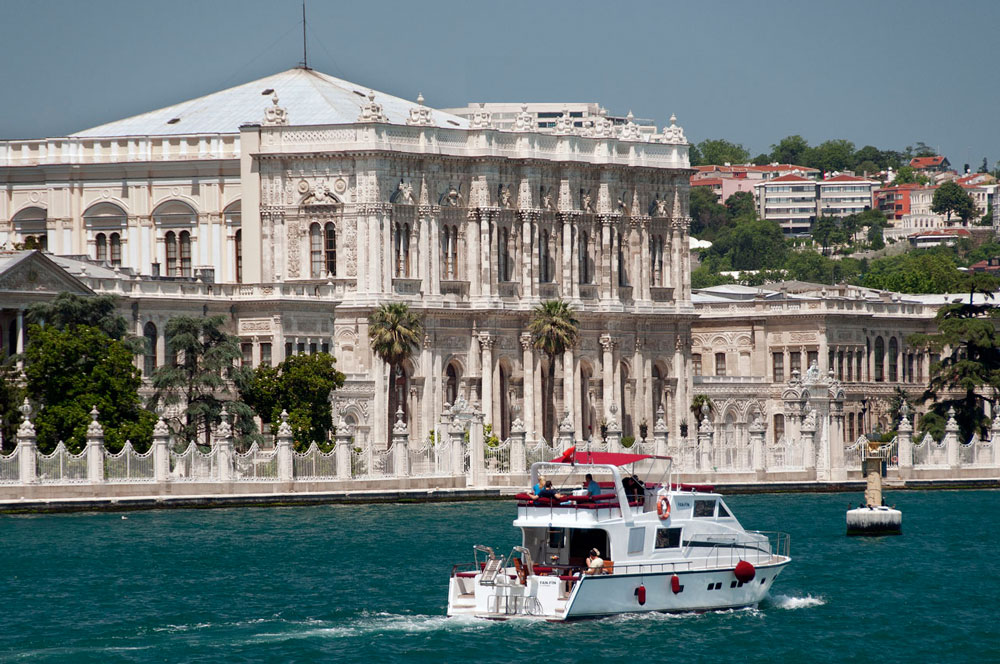
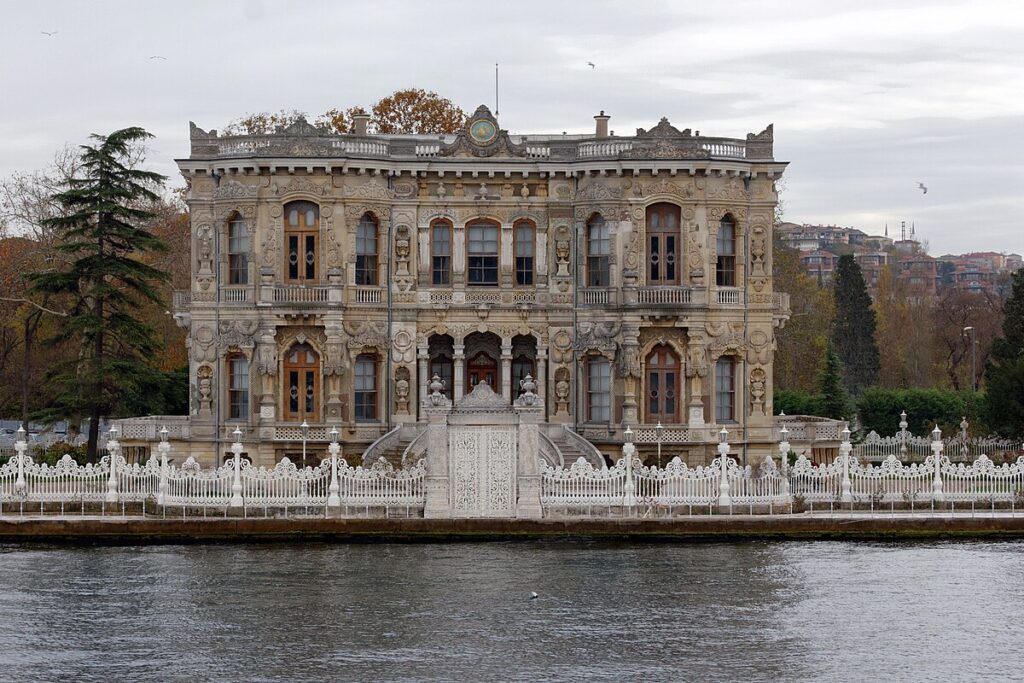
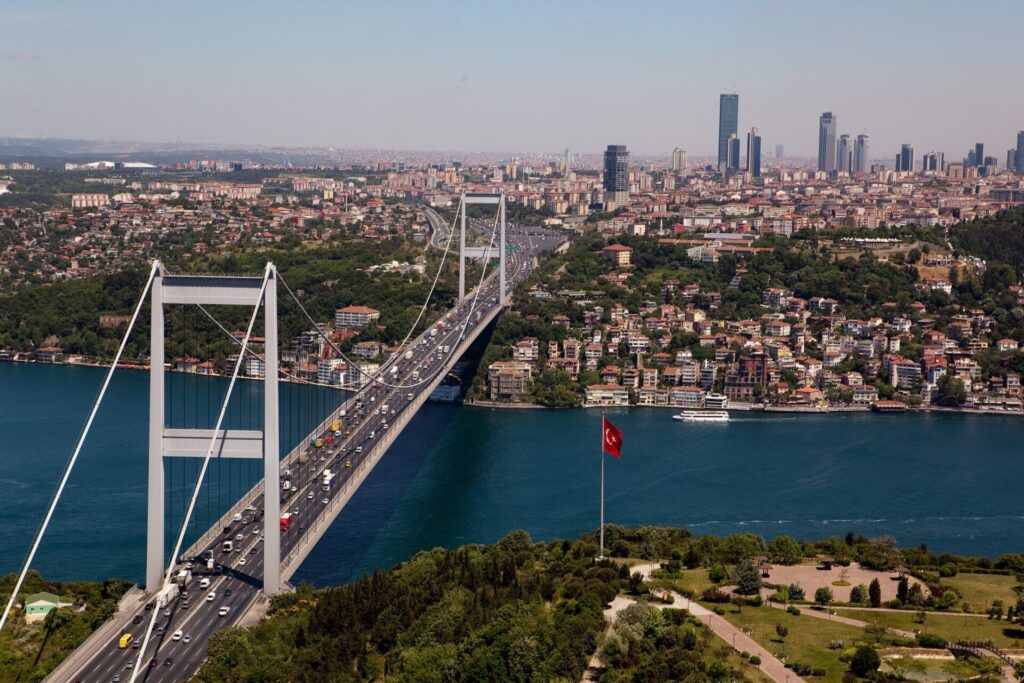
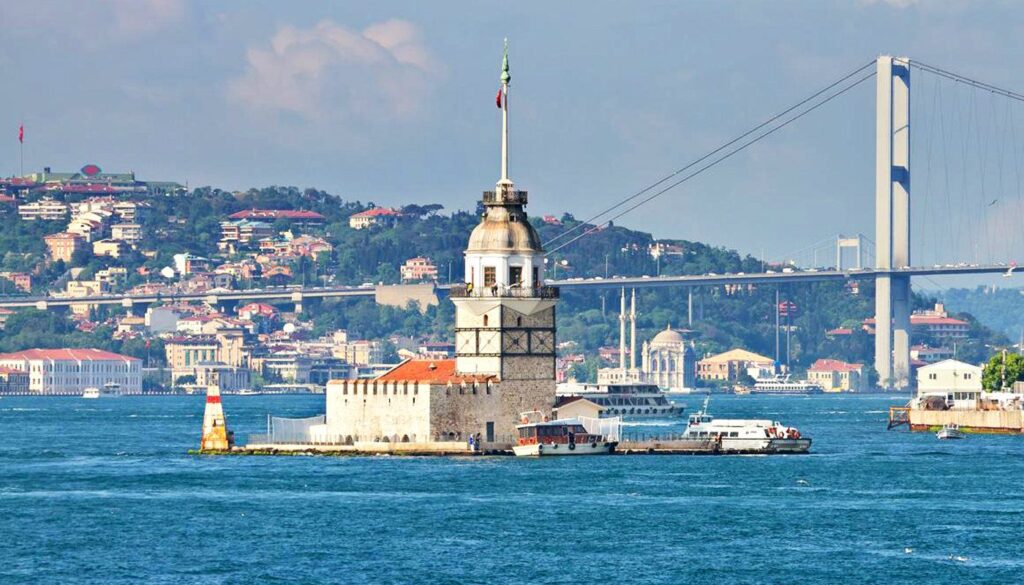
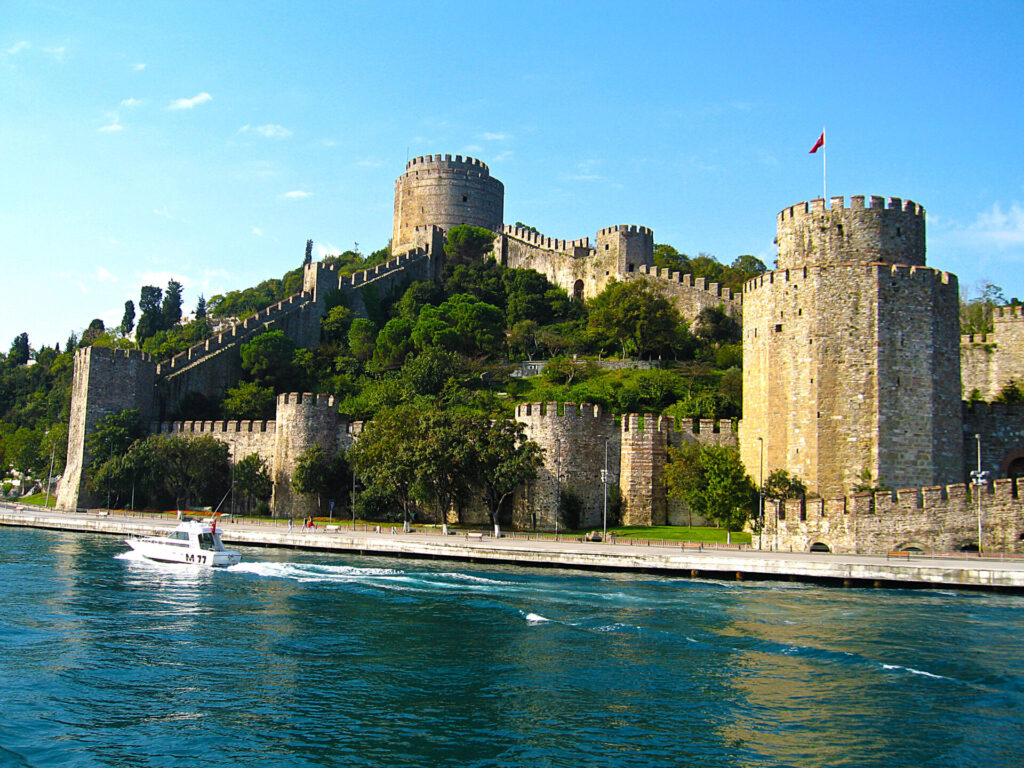
Bosphorus: The strait dividing Europe and Asia. You can cruise it, ferry across it, or just sit by it and drink tea.
Modern Istanbul: Neighborhoods like Beyoglu, Galata, Kadikoy, and Nisantasi are full of cafes, art, nightlife, and local life.
Mosques, churches, synagogues: Reflecting centuries of multicultural history.
Cuisine: From street food like simit and balik ekmek, to rich Ottoman-style meals and modern fusion dining.
The vibe: Intense, layered, and full of contrast — ancient meets modern, traditional meets trendy, East meets West. It’s crowded and chaotic, but endlessly fascinating.
Best time to visit: April–June or September–October. Summer is hot and packed; winter is cold and gray but less crowded.