Konya: A Spiritual and Historical Gem in Central Anatolia
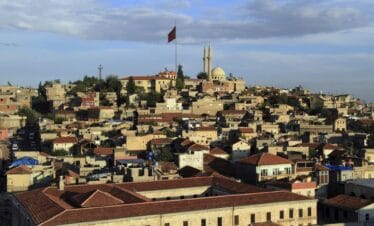
Konya, often referred to as Turkey’s “Bible Belt”, is a city rich in history, culture, and religious significance. Located in Central Anatolia, it borders Cappadocia and serves as a major transportation hub, with direct bus routes to Fethiye, Egirdir, and Sanliurfa.
The Origins of Konya’s Name
There are two legends about how Konya got its name. The first involves Perseus, who is said to have slain a dragon terrorizing the town. In gratitude, the locals erected a monument in his honor, giving rise to the name Ikonyon, Ikonyum, or Iconium.
The second legend tells of two dervish friends flying over Anatolia and asking, “Shall I land?”—to which the reply was “Kon ya” (which means “Sure, land here” in Turkish).
Today, Konya is a city of historical depth and modern vitality, known for its bazaars, stunning architecture, and deep connections to the Sufi poet Rumi.
A City Steeped in History
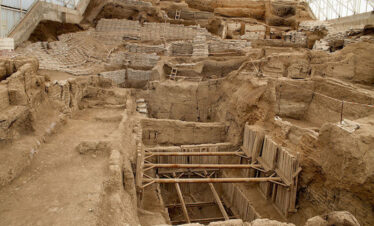
Konya is one of the oldest settlements in Anatolia, with archaeological evidence suggesting habitation as early as the Neolithic Period (7000 BC). Other studies suggest the region was first settled between 4000 and 3000 BC.
The city saw numerous rulers over time:
1500 BC – Ruled by the Hittites
1200 BC – Taken over by Indo-European Sea Peoples
8th century BC – Conquered by the Phrygians
690 BC – Invaded by the Cimmerians
4th century BC – Controlled by Alexander the Great
Roman Era – Became part of the empire under the name Iconium, visited by Saints Paul and Barnabas
In the 10th century, the Seljuk Turks took control after the Battle of Manzikert, making Konya the capital of the Anatolian Seljuk Sultanate until the 13th century. The city thrived during this period, with grand architectural projects that blended Turkish, Persian, and Byzantine influences.
By the 14th century, Konya became an emirate and was later incorporated into the Ottoman Empire. The city’s revival began in 1896, when a railway to Eskişehir brought renewed economic activity.
Sights and Attractions
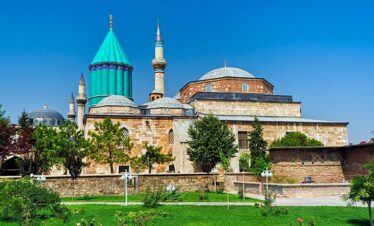
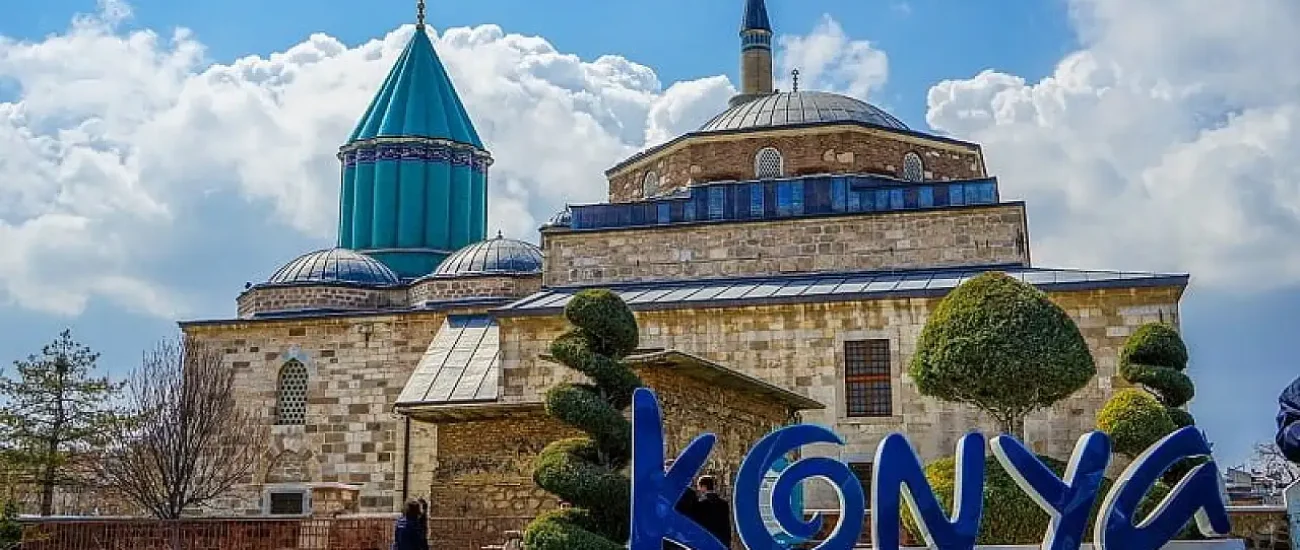
Mevlana Museum
The Mevlana Museum is Konya’s most significant site. Mevlana Rumi, the famous Sufi poet and founder of the Whirling Dervishes, fled to Konya in 1228 after the Mongol invasion. He passed away in 1273, and his burial site became a major pilgrimage destination.
The museum features:
Mevlana’s mausoleum, covered in faience tiles and decorated with wood carvings
The sarcophagus of Mevlana, embroidered with gold verses from the Quran
Artifacts related to the Whirling Dervish order, founded by Mevlana’s son
Alaaddin Mosque
This is Konya’s most important mosque, once serving as the “Mosque of the Throne” for the Seljuk Sultans. Originally a Byzantine basilica, it was converted into a mosque after 1080.
Notable features:
A large prayer hall with 42 columns
Two marble tombs in the courtyard
The resting place of eight Seljuk Sultans
İnce Minareli Medrese
Built between 1258 and 1279, this Seljuk-era school is known for its intricate stonework, including:
Relief carvings of Arabic calligraphy and geometric designs
A distinctive “ribbon-like” pattern on its facade
A museum of Seljuk and Ottoman artifacts
Karatay Medrese
Constructed in 1251, this religious school later became a museum in 1955. It houses ceramic artifacts from the Royal Palace, collected in the 1970s.
The Whirling Dervish Ceremony
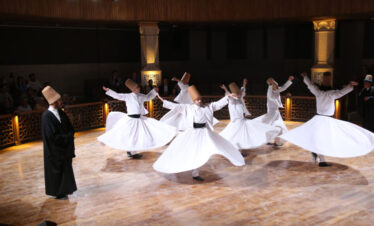
The Whirling Dervish ritual, also known as Mevlevi Sema, is a mesmerizing spiritual dance that symbolizes union with God. Recognized by UNESCO as part of the world’s intangible cultural heritage, the ceremony involves:
Dervishes dressed in white robes (symbolizing purity)
Black cloaks and conical hats, representing their spiritual tombs
A dance of devotion, where dervishes spin with their right hands raised toward heaven and left hands pointing to earth
The ritual is performed in Konya’s Mevlana Cultural Center, preserving a tradition that dates back centuries.
A City of Spiritual and Cultural Significance
With its deep history, stunning architecture, and connection to Rumi and the Whirling Dervishes, Konya is a magical city that seamlessly blends ancient traditions with modern life. Whether exploring its historic mosques, vibrant bazaars, or mystical Sufi heritage, Konya offers a truly extraordinary travel experience.
For more information on Konya tours, including visits to Catalhoyuk, Kilistra, and Sille, contact us for customized travel packages in this unforgettable city.