

- 5
- 23
- 1
- 1
- 1
- 1
- 42
- 11
- 0
- 2
- 2
- 1
- 1
- 2
- 3
- 16
- 2
- 2
- 5
- 96
- 6
- 1
- 1
- 1
- 1
- 2
- 1
- 5
- 1
- 1
- 21
- 1
- 3
- 1
- 2
- 1
- 2
- 100
- 2
- 54
- 6
- 1
- 155
- 5
- 29
- 1
- 30
- 5
- 4
- 0
- 2
- 2
- 2
- 4
- 0
- 1
- 5
- 6
- 11
- 15
- 23
- 90
- 3
- 14
- 22
- 17
- 4
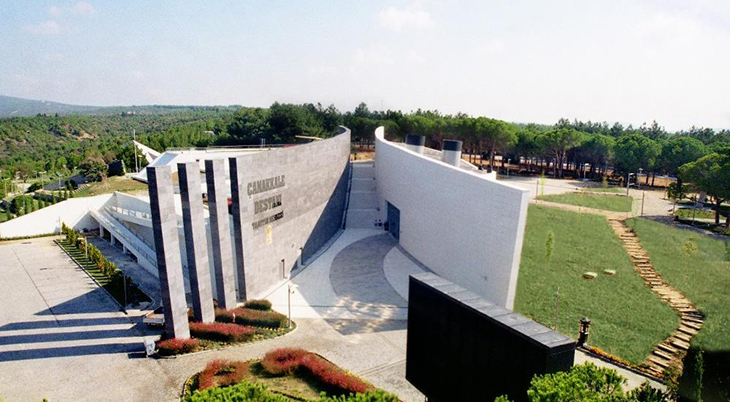
Eceabat is a small coastal town located in Canakkale Province, Turkey, sitting on the eastern coast of the Gallipoli Peninsula. It serves as a major access point to the Gallipoli battlefields, historic sites, and World War I memorials.
✔ Strategic Location: Eceabat lies on the Dardanelles Strait, a historically crucial waterway that has played a significant role in many wars, including World War I.
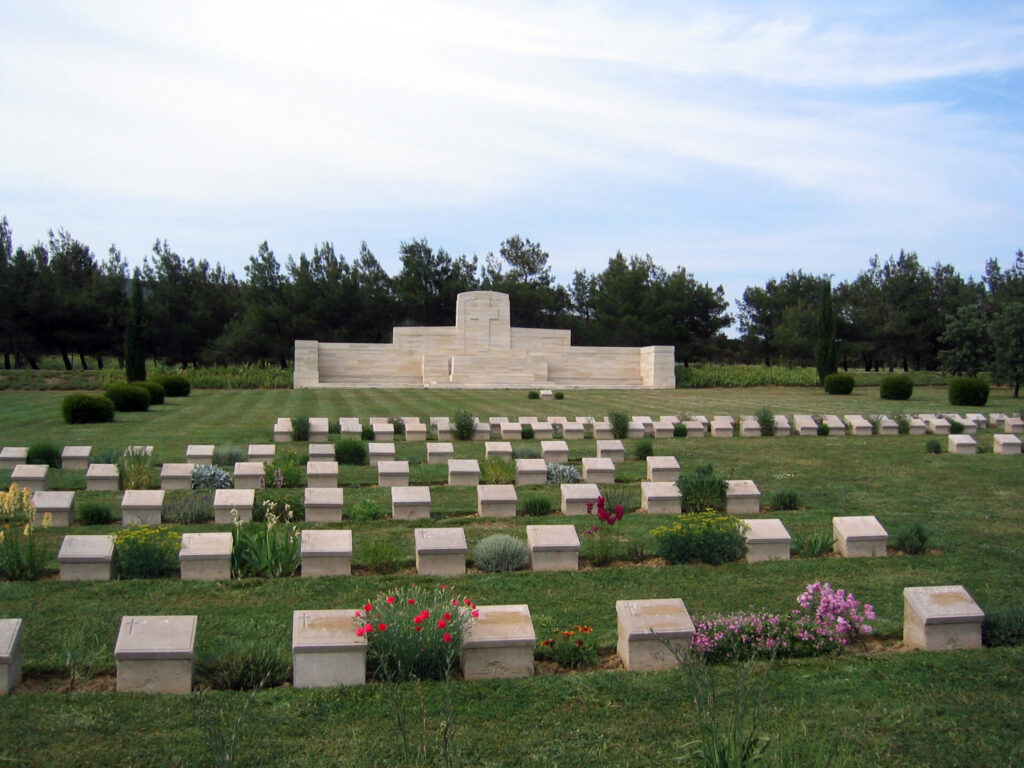
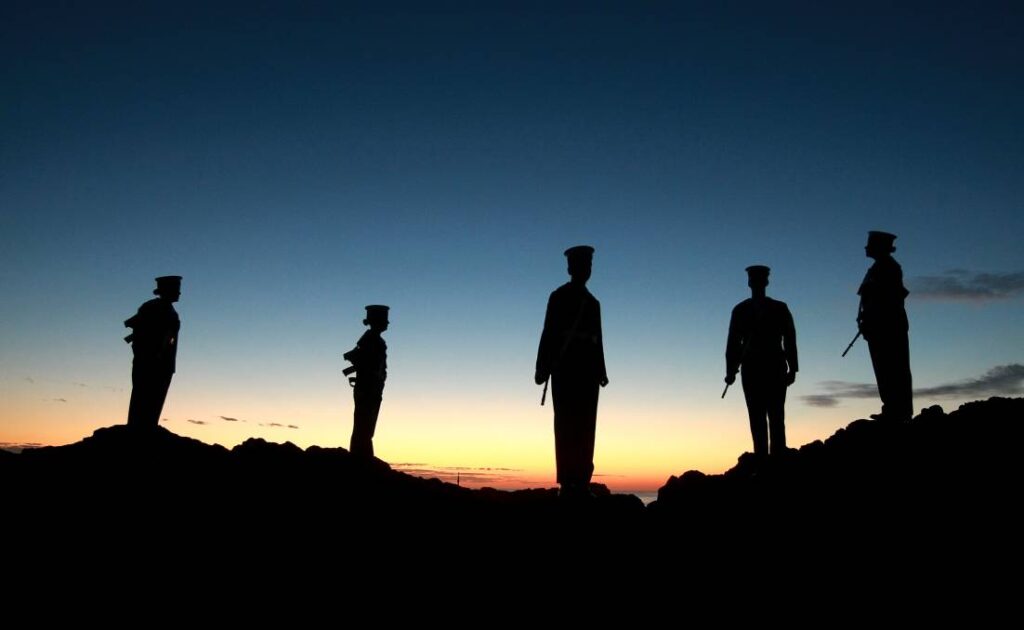
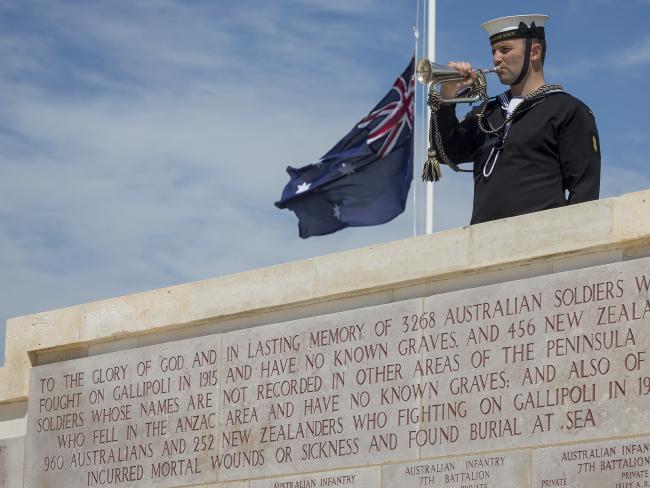
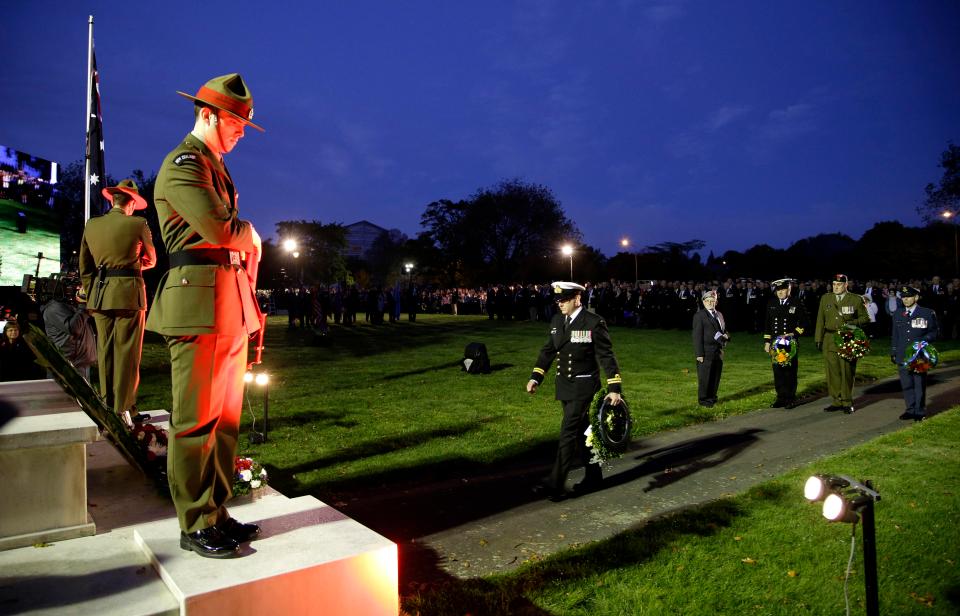
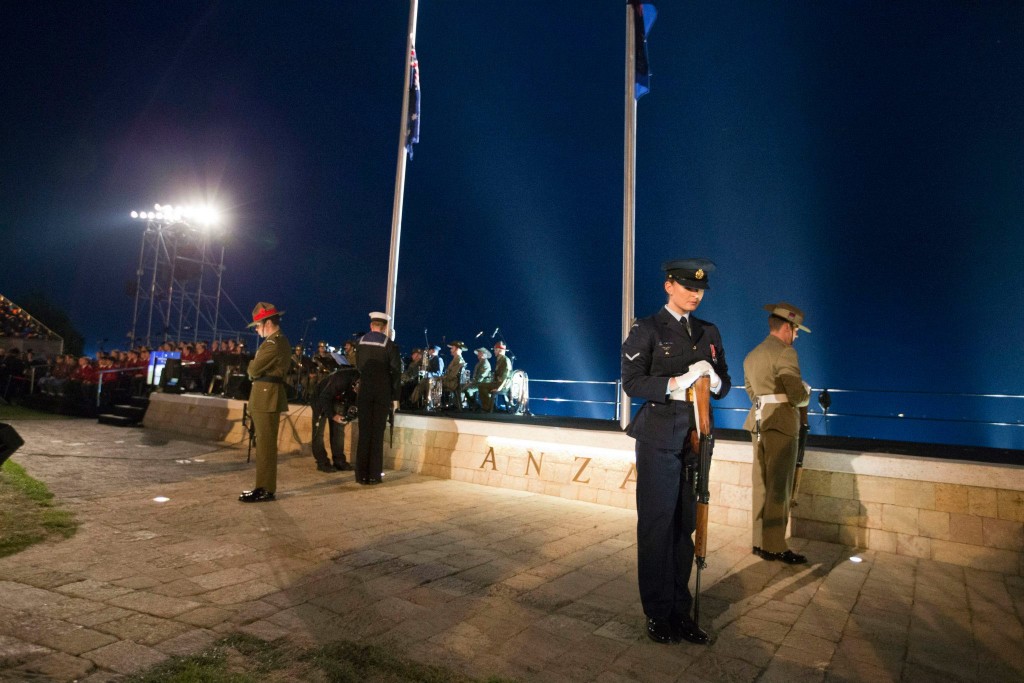
✔ Gallipoli Campaign (1915-1916): During World War I, the Gallipoli Peninsula (including Eceabat) was the site of a massive battle between the Ottoman forces and Allied troops (primarily British, Australian, and New Zealand forces). The campaign was an attempt by the Allies to capture Constantinople (Istanbul), but they were defeated by Ottoman forces led by Mustafa Kemal Ataturk.
✔ Ottoman Era & Modern Development: Although a small town today, Eceabat has been an important point of trade and defense for centuries, especially during the Ottoman Empire.
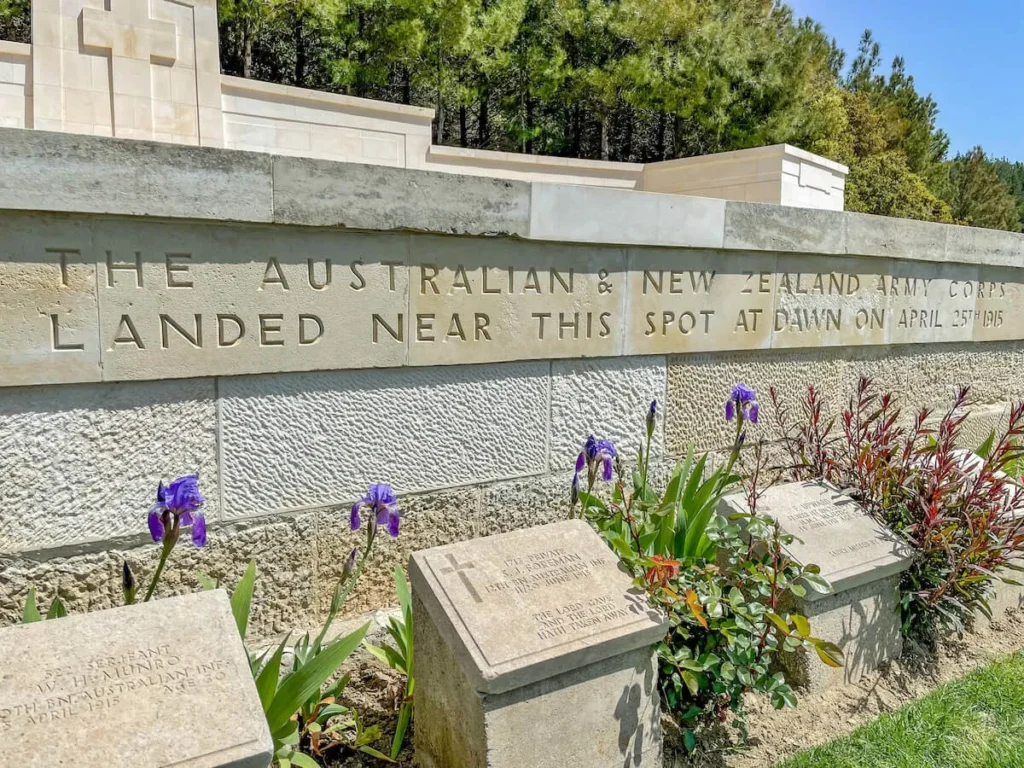
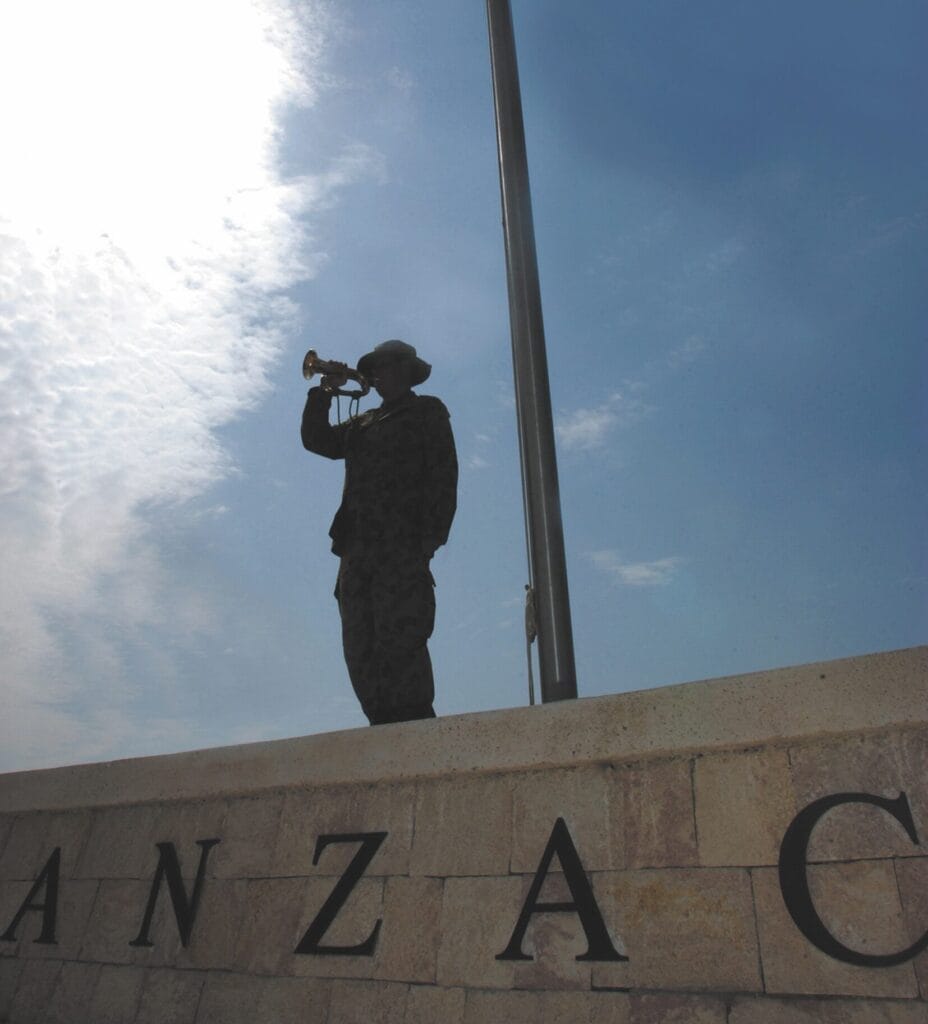
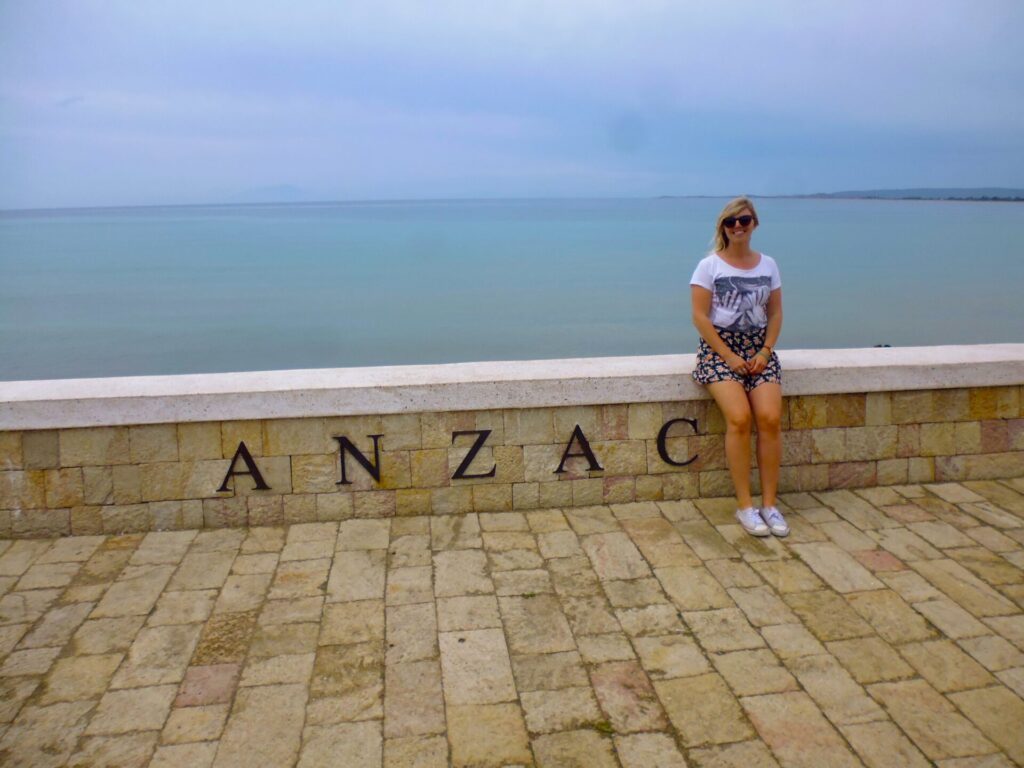
✔ ANZAC Cove – The landing site of Australian and New Zealand troops in April 1915.
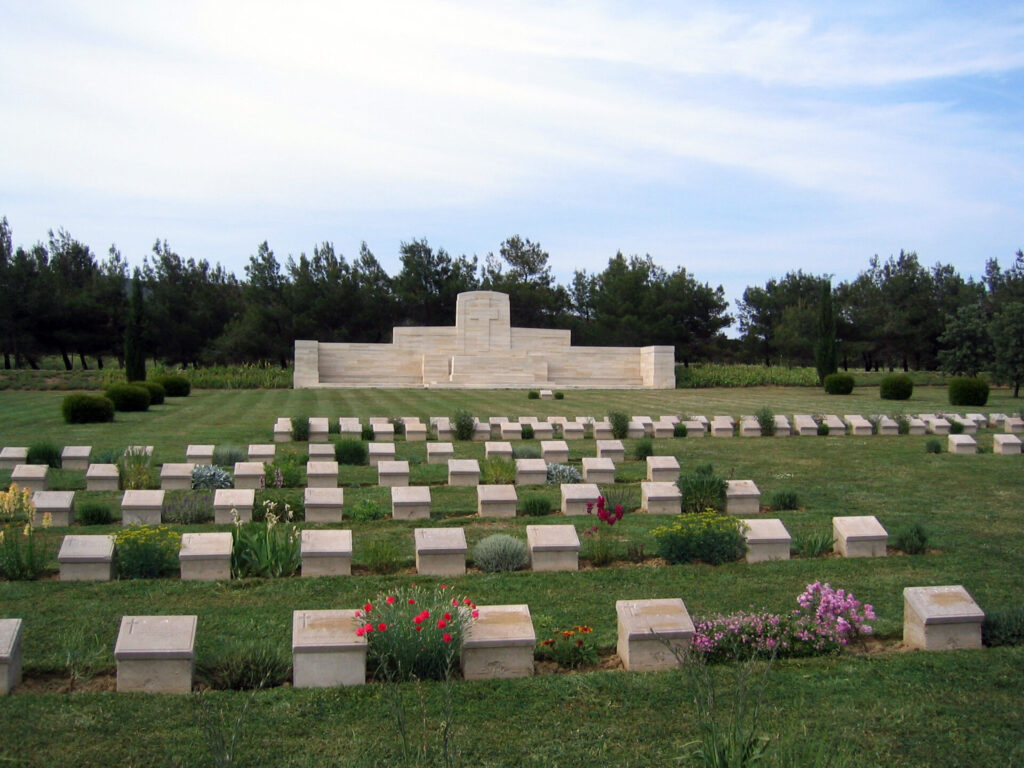
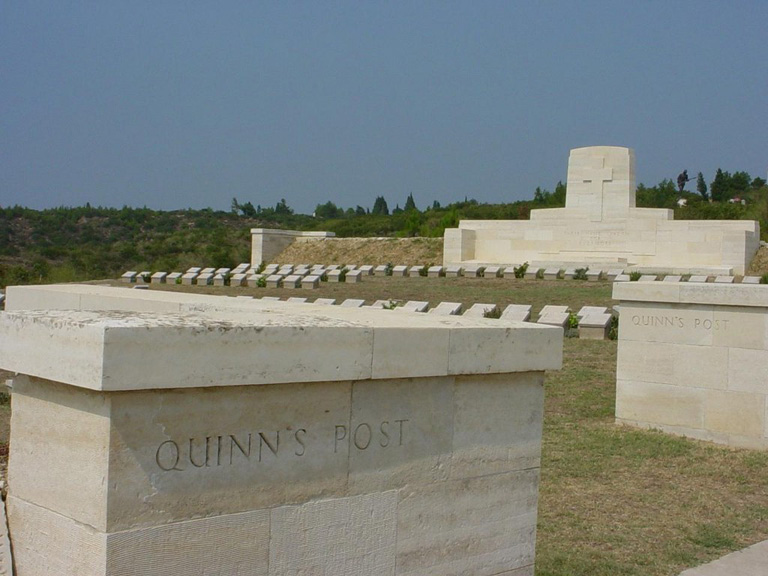
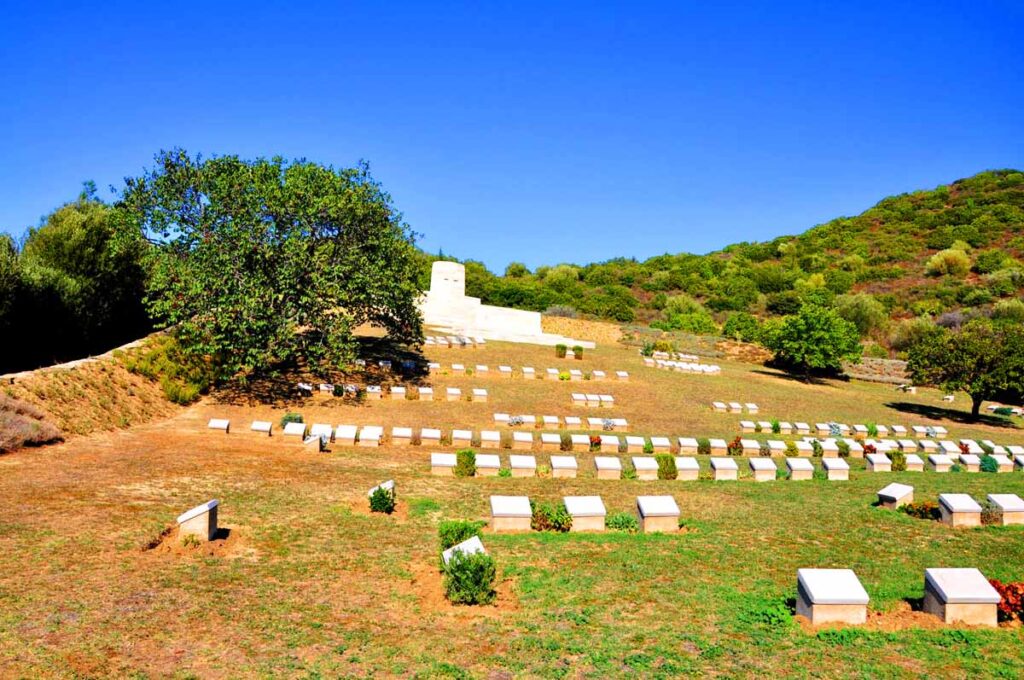
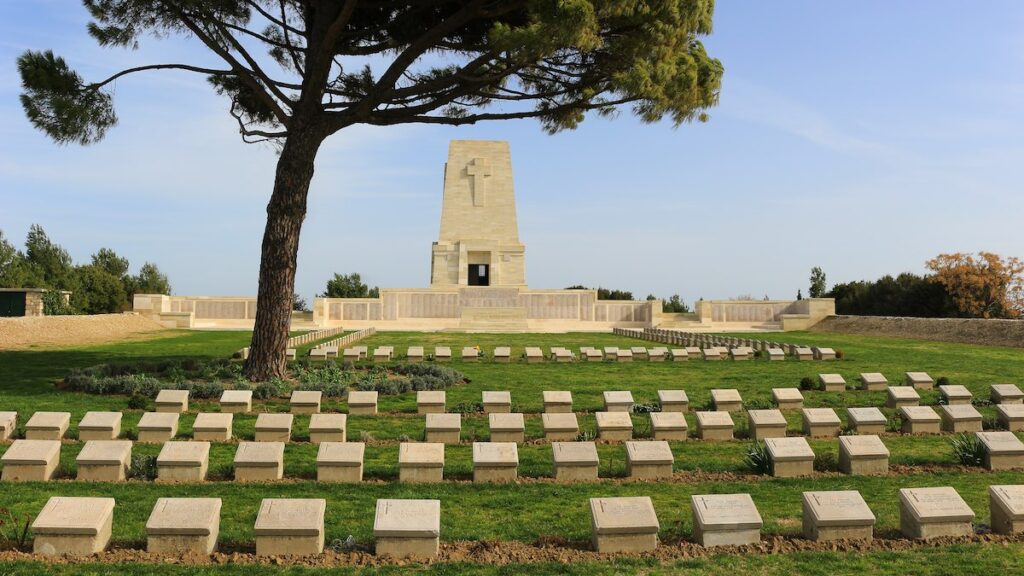
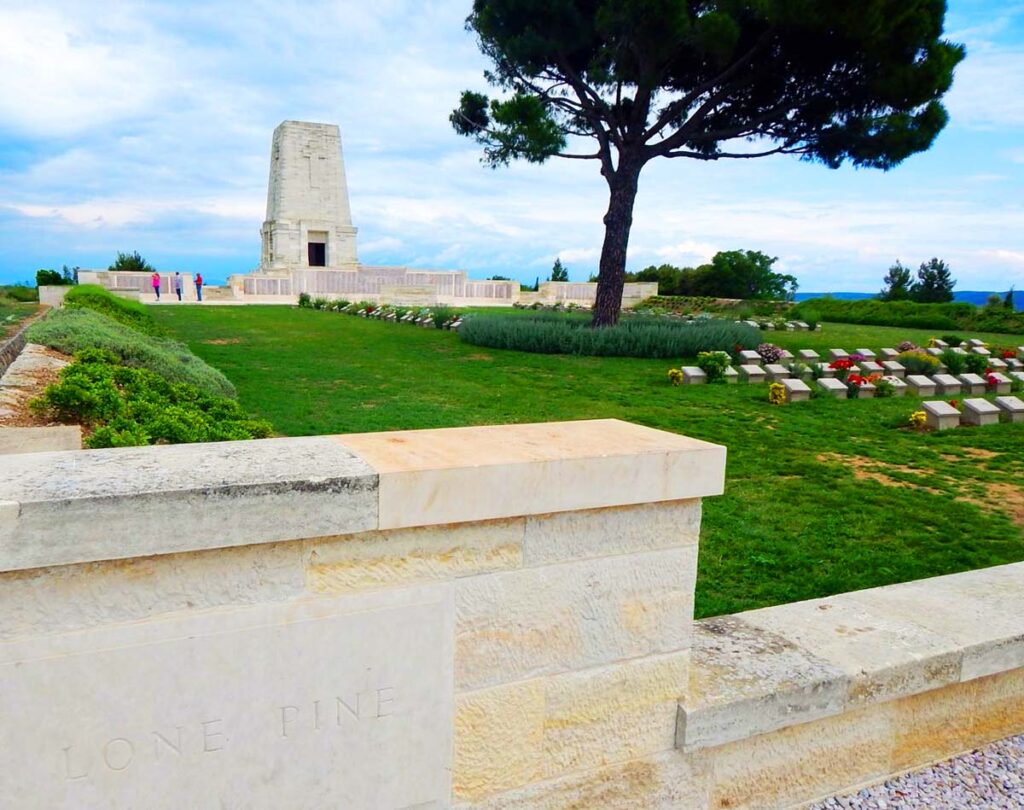
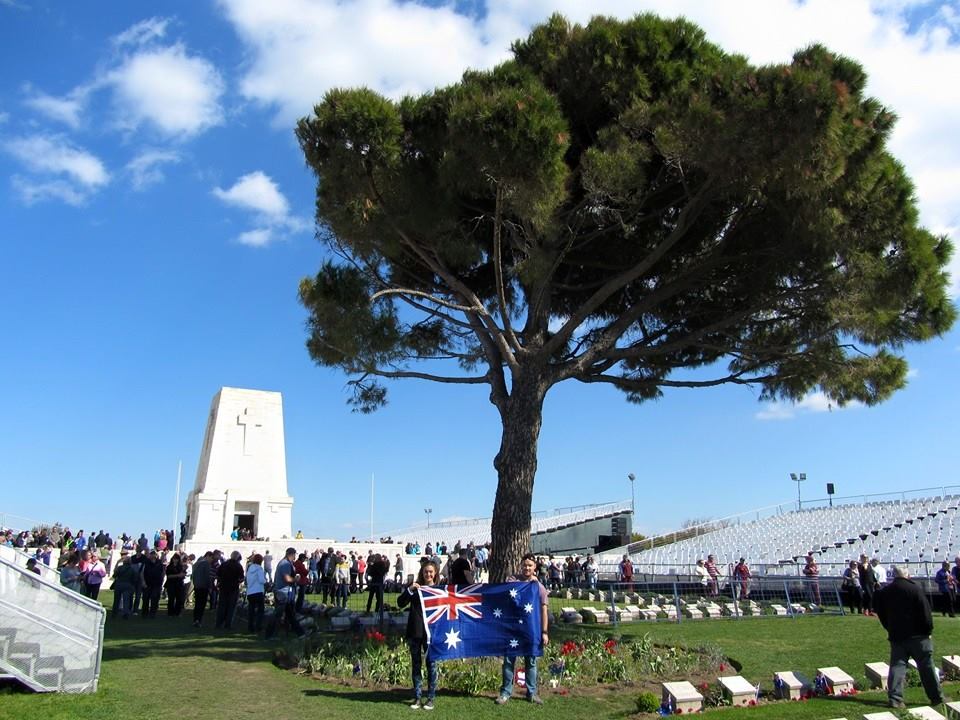
✔ Lone Pine Cemetery & Memorial – Honors Australian soldiers who died in the battle.
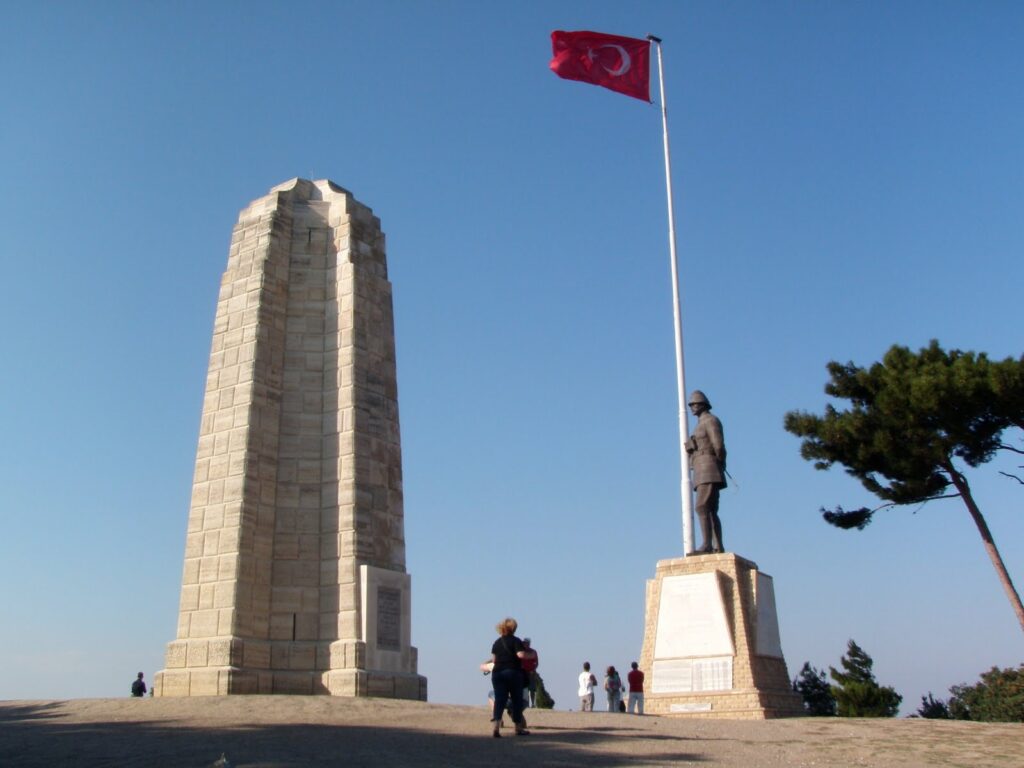
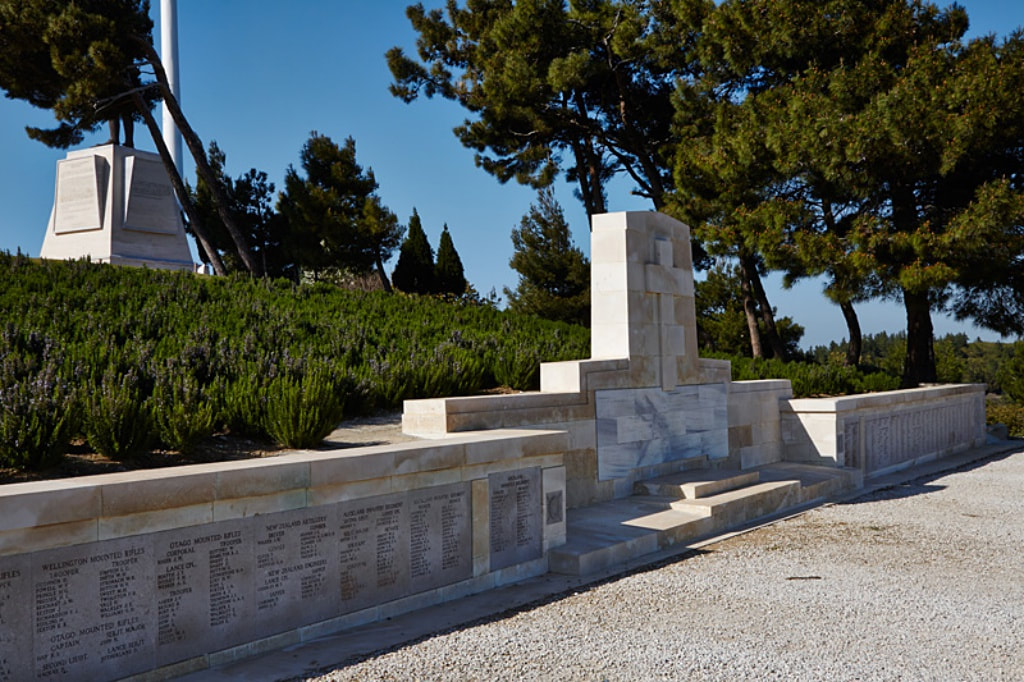
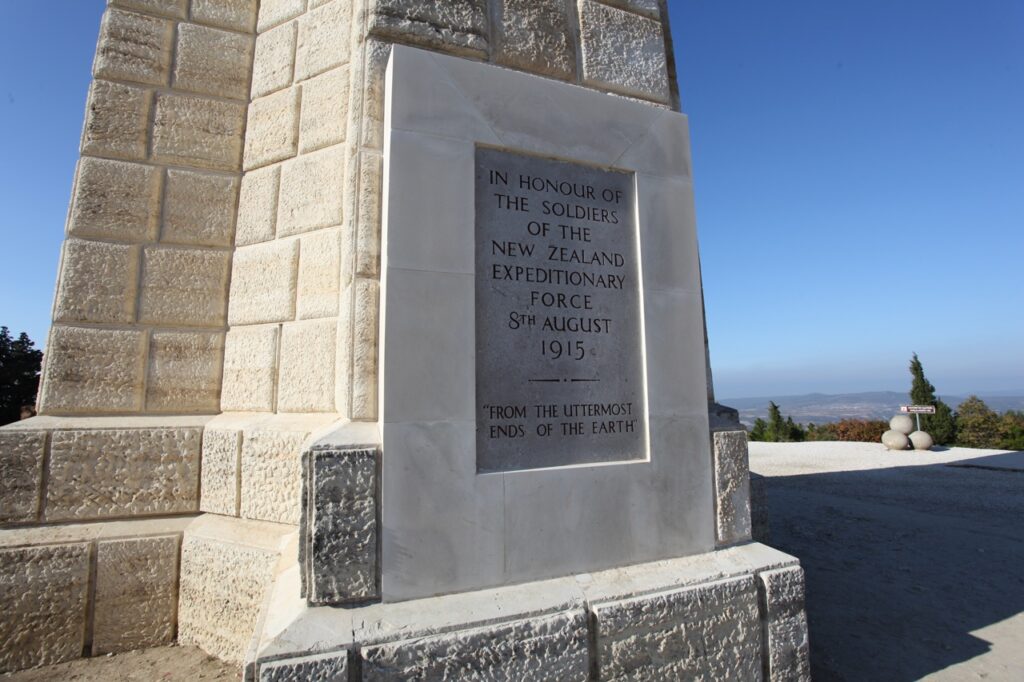
✔ Chunuk Bair Memorial – A tribute to New Zealand forces who fought bravely in Gallipoli.
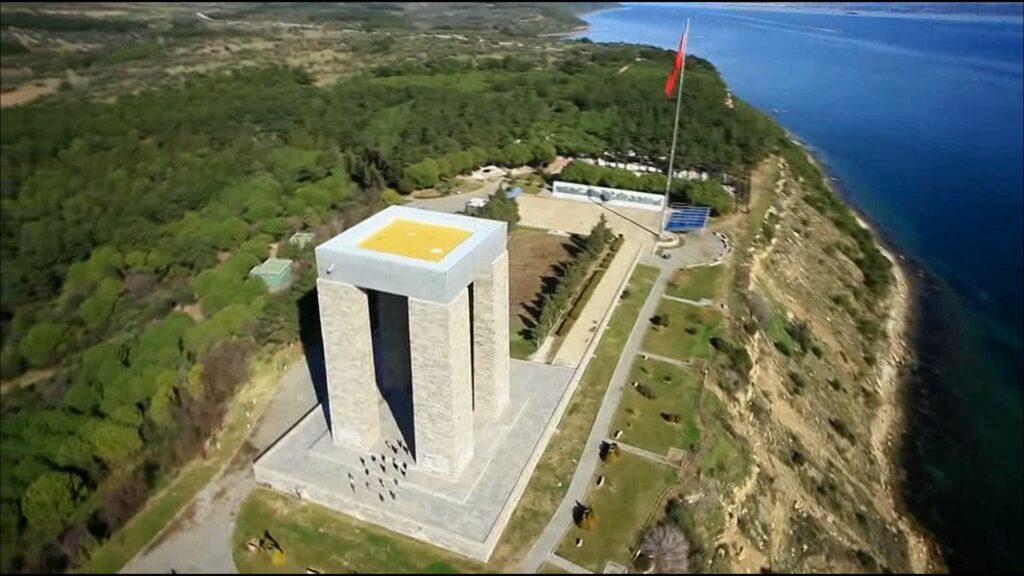
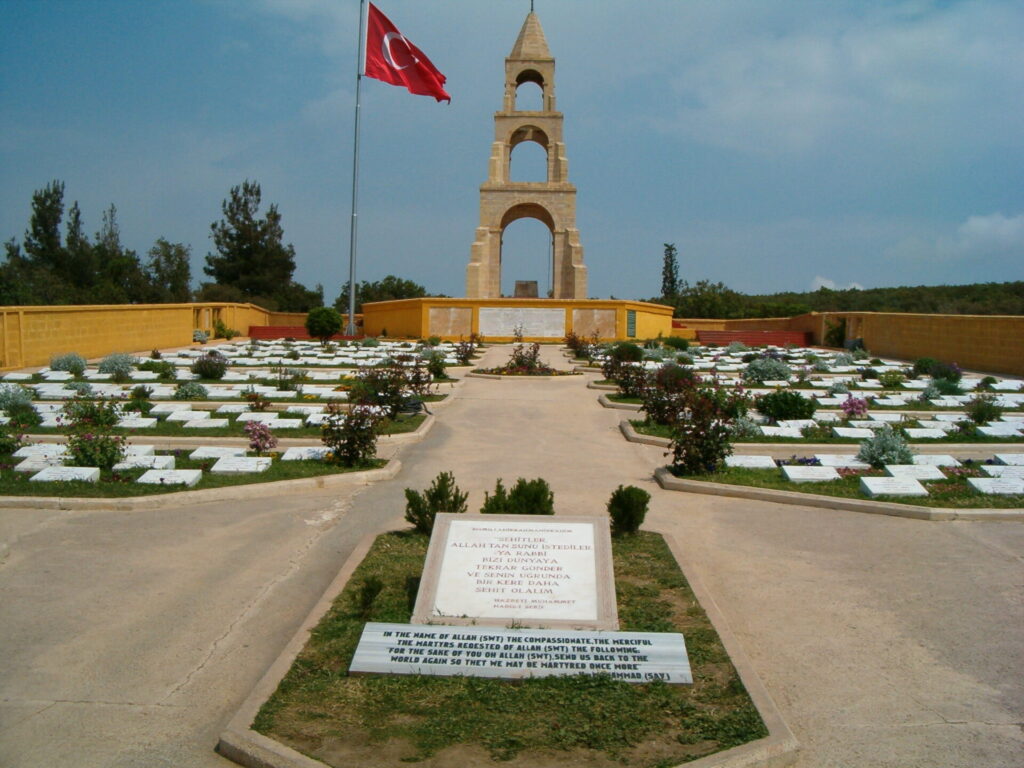
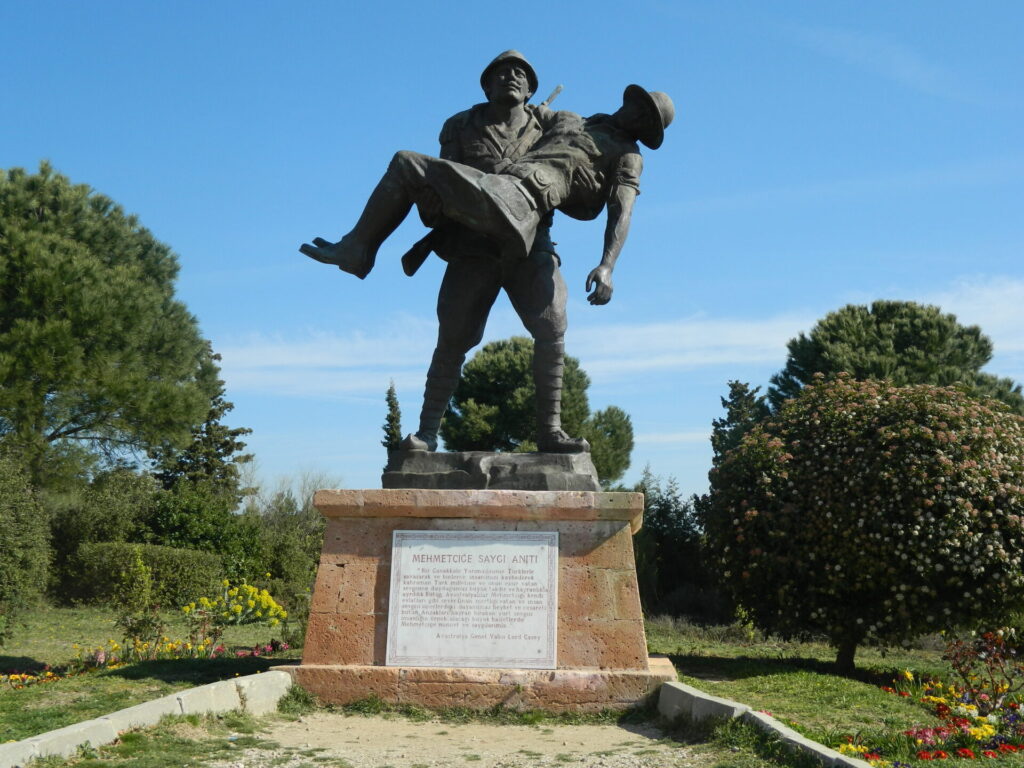
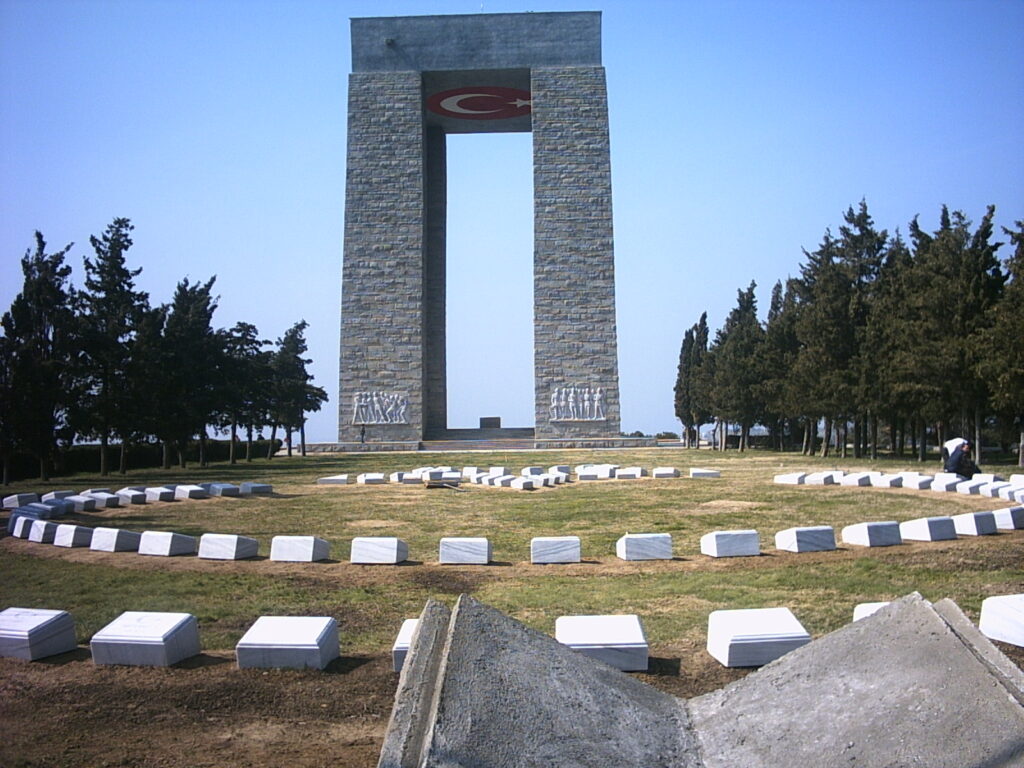
✔ Turkish Martyrs Memorial – Dedicated to the Turkish soldiers who defended their homeland.
✔ Eceabat is one of the main ferry points for crossing the Dardanelles, connecting Gallipoli with Canakkale city on the Asian side.
✔ Beautiful coastal scenery with fishing boats, seagulls, and the famous Nusret Mine Ship, which played a crucial role in the Ottoman defense during WWI.
✔ A 15th-century fortress built by Ottoman Sultan Mehmed II (the Conqueror).
✔ Offers stunning views of the Dardanelles and is a great stop for history lovers.
✔ A vast protected area filled with historic sites, trenches, and war memorials.
✔ Ideal for hiking and exploring nature, offering panoramic views of the battlefields and coastline.
✔ Spring (April-June) & Autumn (September-November) are the best times to visit – pleasant weather for exploring battlefields and historical sites.
✔ Summer (July-August) can be hot, while winter (December-February) can be rainy and windy.
From Istanbul: Bus (5-6 hours) from Istanbul to Eceabat or Istanbul to Canakkale + ferry to Eceabat.
From Canakkale: Frequent ferries cross the Dardanelles (about 25 minutes).
By Car: Driving from Istanbul takes 4.5–5 hours, and from Izmir around 5 hours.
✔ Eceabat has small family-run hotels, hostels, and guesthouses.
✔ Many visitors stay in Canakkale (a larger city across the Dardanelles) and take a ferry to visit Eceabat and the Gallipoli sites.
✔ Rich in World War I history – A must-visit for history buffs.
✔ Scenic coastal beauty along the Dardanelles Strait.
✔ Gateway to Gallipoli National Park and its important memorials.
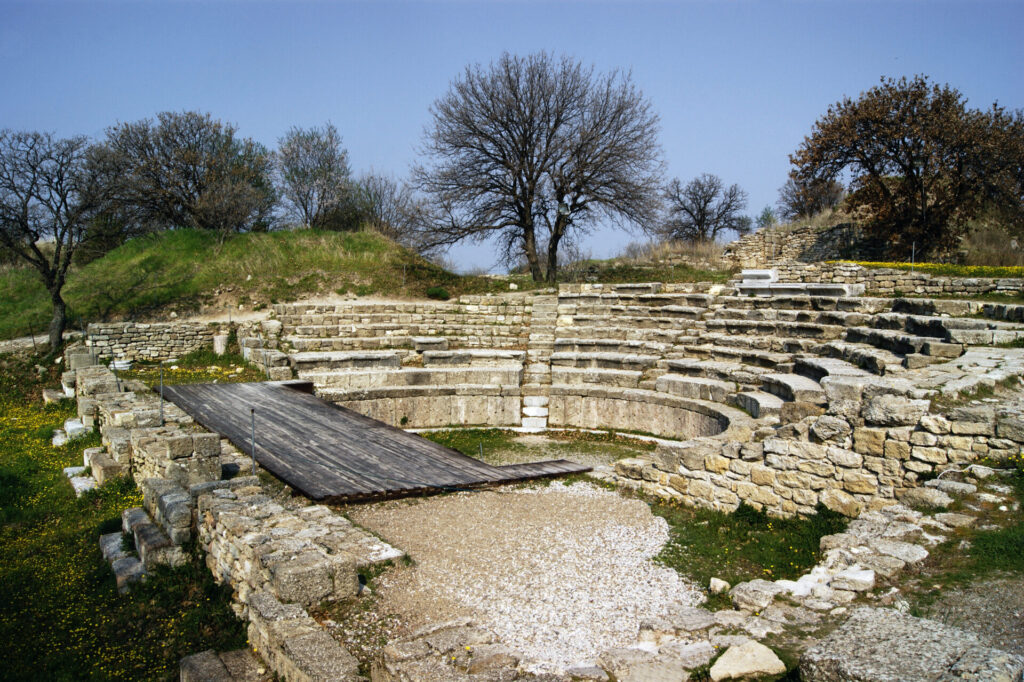
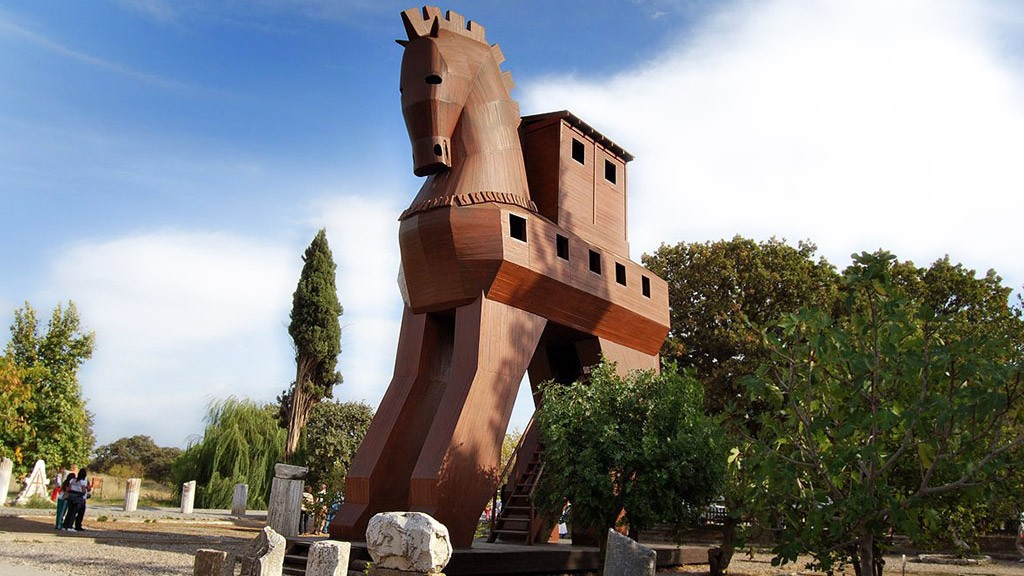
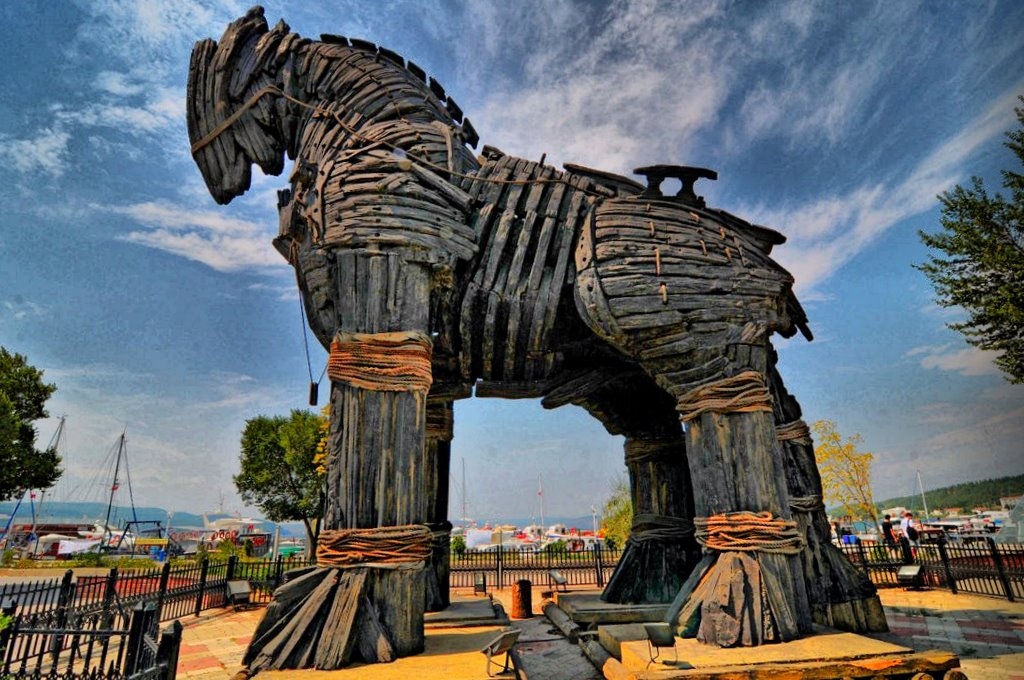
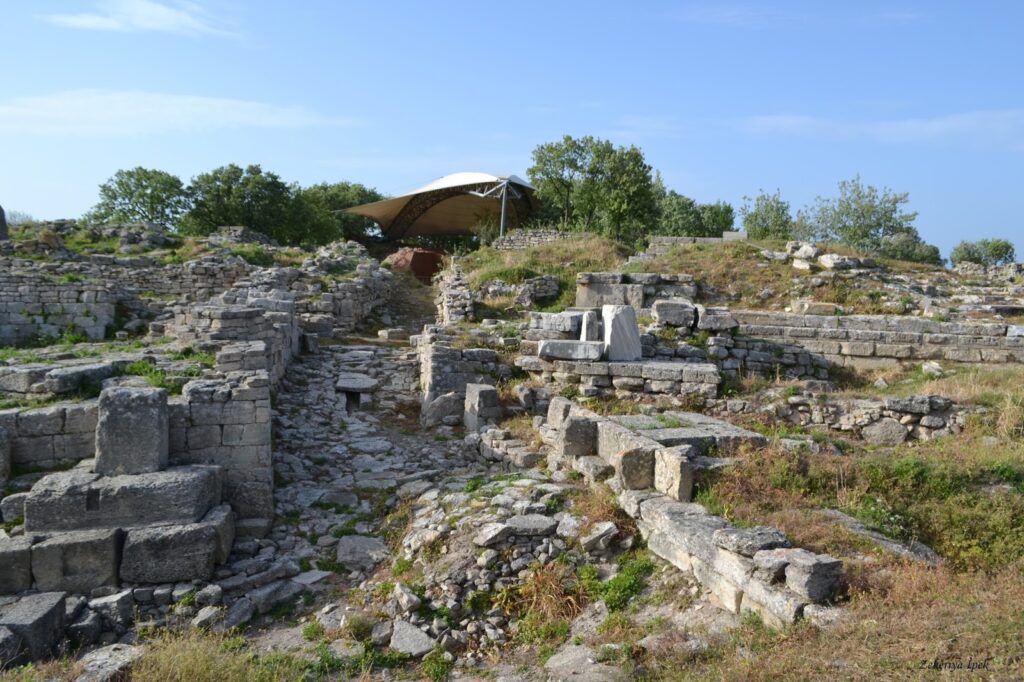
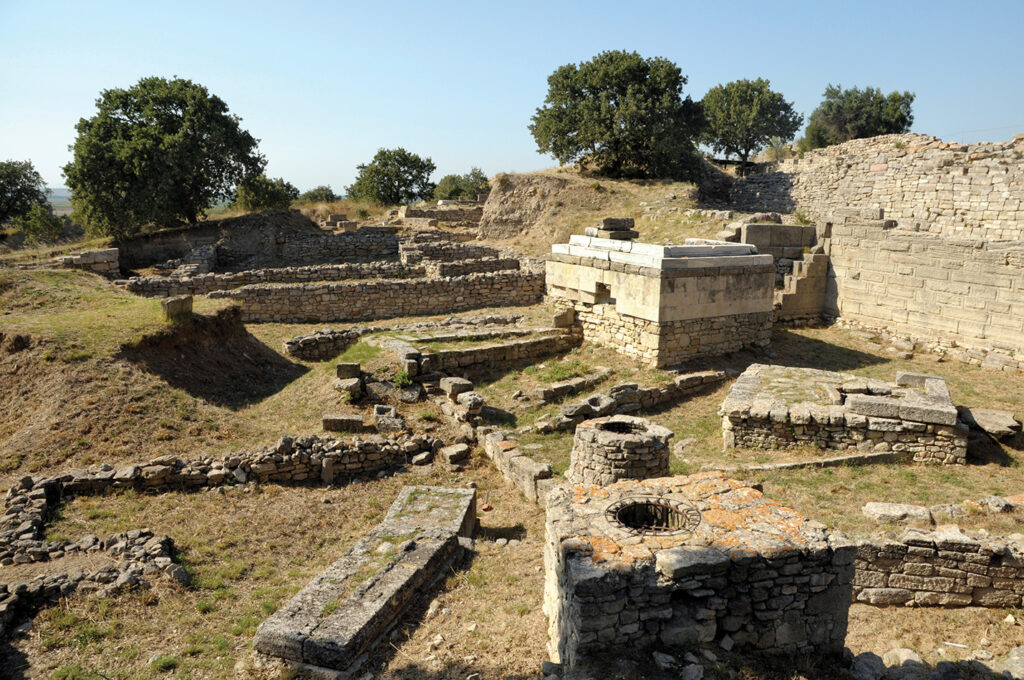
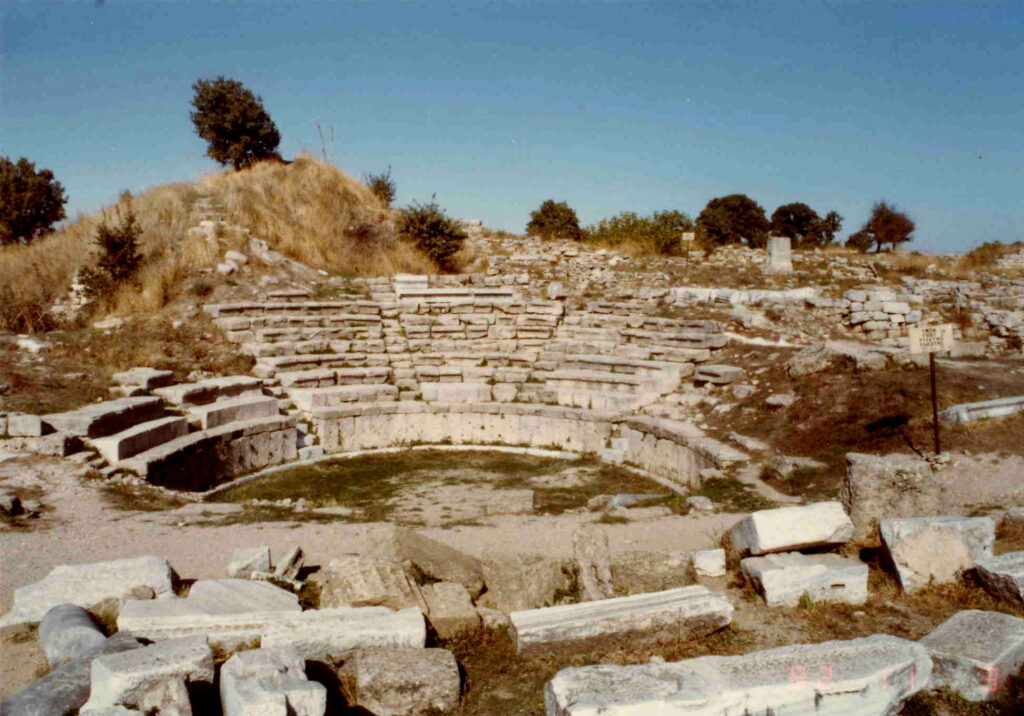
✔ Easy access to Canakkale and Troy, making it a great stop on a historical tour of Turkey.